Song Meaning
The lyrics paint a picture of a desperate, almost frantic, desire to escape a suffocating present. There's a palpable sense of wanting to bury or drown out internal turmoil, symbolized by "enfouir nos chairs" and "noyer notre stress." The repeated "Si on allait" (If we went) acts as a constant hypothetical, a yearning for a different path that never quite materializes, suggesting a paralysis beneath the surface of imagined movement. The imagery of "robes en plasma" and "volume parfait" hints at a superficial, perhaps artificial, pursuit of something ideal or futuristic, which the narrator seems to recognize as ultimately hollow.
The central tension lies in the contrast between this imagined escape and the perceived inaction or futility of their current state. The lines "Suivons-nous / Entre aveugles" and later "Suivons-nous / Entre visionnaires" create a disorienting sense of being lost, either blindly following others or perhaps following a flawed ideal. This is amplified by the admission "Si on n'allait jamais / Puisque l'on n'a rien fait / D'autre que de tourner / Autour du volume parfait," which directly confronts the lack of progress and the repetitive nature of their existence. It’s a feeling of being stuck in a loop, chasing an unattainable perfection.
The most striking aspect is the cyclical structure and the use of contrasting pairs. The initial impulse to "aller sans cesse" (go ceaselessly) and "aller en vitesse" (go at speed) is met with the stark realization of having "rien fait" (done nothing) but "tourner" (turning). The shift from "aveugles" (blind) to "visionnaires" (visionaries) is particularly sharp; it suggests that even the pursuit of grand ideas might be a form of delusion or a way to justify their stagnation. The final lines, "Si on allait / Prendre l'air / Prendre l'ère," offer a faint, ambiguous hope for a breath of fresh air or a new epoch, but it’s framed as another hypothetical, leaving the listener with a lingering sense of unresolved yearning.
Ultimately, these lyrics resonate because they capture a specific kind of modern malaise: the feeling of being overwhelmed by possibilities and anxieties, leading to a profound sense of inertia. The careful construction, moving from imagined action to the confession of inaction, and the subtle wordplay around sight and vision, create a powerful emotional landscape. It’s the sound of wanting to break free but being trapped by the very act of contemplating escape, a beautifully rendered portrait of existential drift.
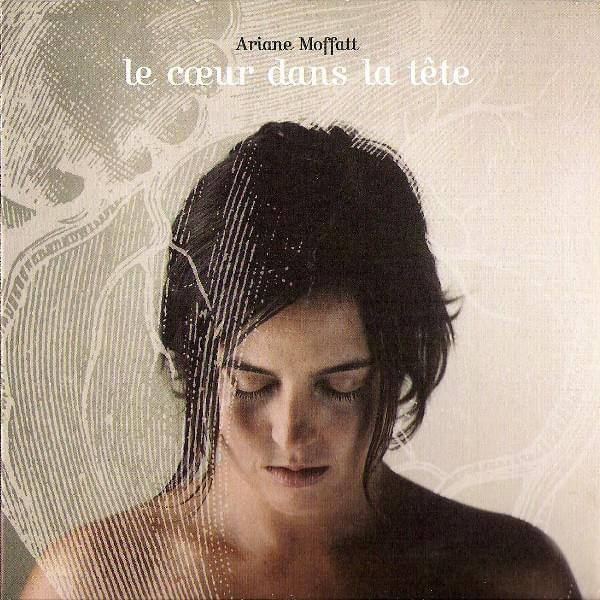
 View Artist