Song Meaning
The narrator announces a deliberate retreat into a stark, frozen landscape, seeking a profound sense of erasure and renewal. "Je vais jouer dans la neige" (I will play in the snow) is repeated, framing this departure not as an escape, but as an active choice to embrace a new, pure state. The desire to "forget me" and "erase me" suggests a need to shed a former self, becoming "white" for a period, a blank slate against the elements. This isn't a vacation; it's a radical self-imposed exile.
The core tension lies between the allure of this frozen purity and the implied toxicity of the world left behind. The north offers everything needed "to get an idea" and the ability to "hear ourselves speak," contrasting with a city where people "let themselves burn." This suggests the narrator is fleeing a destructive environment, seeking solace in a place where one can be "never too many" and has "the right to scream." The imagery of building an igloo and fetching water highlights a return to primal, self-sufficient existence.
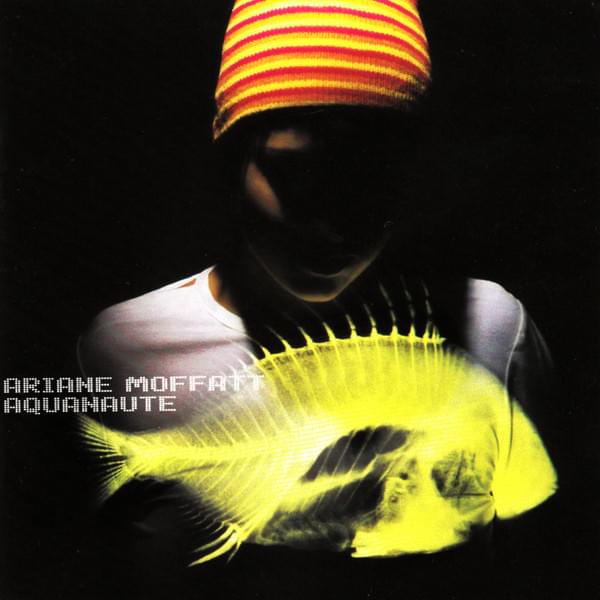
The most striking craft element is the juxtaposition of cold and warmth, isolation and community, and self-preservation versus self-destruction. The narrator plans to "see the sky" at night, then "warm up in my little burning chapel," a potent image that could signify a personal sanctuary or a place of intense, perhaps dangerous, introspection. The idea of the "fish under the ice" being "bored of me" adds a touch of surreal, almost whimsical, urgency to the departure. The final lines present a chilling choice: to freeze in the north or to be burned in the city, a stark dichotomy of endings.
This lyrical passage resonates because it articulates a powerful, almost primal, yearning for oblivion and rebirth through extreme environmental immersion. The narrator's active pursuit of a "white" state, a temporary non-existence, speaks to a deep-seated desire for a reset button. The deliberate embrace of the cold, even to the point of potential self-annihilation ("maybe I'll decide to let myself freeze"), underscores the perceived danger of the narrator's previous life and the profound, almost spiritual, cleansing sought in the snow.
 View Artist