Song Meaning
The lyrics present a peculiar plea to a figure named Mr. Boyd, repeatedly asking to "see your daughter" and if she wants to "play." This initial request, framed with a childlike innocence, quickly takes on a more complex, almost desperate tone as the narrator acknowledges the passage of time. The repetition of "May I see your daughter?" underscores a yearning for something, perhaps a connection or an opportunity, that feels just out of reach, held back by Mr. Boyd's authority.
The central tension emerges with the stark declaration, "We must stop playing now / 'Cause we're all growing old." This line pivots the narrative from a simple request to a confrontation with mortality and a perceived lack of fulfillment. The subsequent lines, "We must live all the time / 'Cause we haven't got love," suggest a profound emptiness that the narrator believes can only be remedied by seizing the moment and breaking free from Mr. Boyd's influence. The daughter, initially a subject of innocent inquiry, becomes a symbol of this desired escape.
The most striking shift occurs when the narrator directly addresses Mr. Boyd, stating, "Mr. Boyd, you have played / Now it's our turn to live." This is a clear accusation, implying Mr. Boyd has had his time and perhaps misused it, hoarding opportunities or experiences. The contrast between Mr. Boyd's past actions ("you have played," "you have taken") and the narrator's present need ("our turn to live," "your turn to give") fuels the song's defiant energy. The final verses solidify this rebellion, with the narrator declaring independence: "She will see we oughta / Not be listening to anything you say."
This defiance, grounded in the shared experience of aging and a lack of love, makes the lyrics resonate. The narrator's transformation from a supplicant to a revolutionary, using the daughter as a catalyst for their own liberation, is compelling. The ultimate vision of the narrator and the daughter singing and dancing together, while Mr. Boyd is left to "watch us play," offers a powerful image of reclaiming agency and finding joy outside of his control.
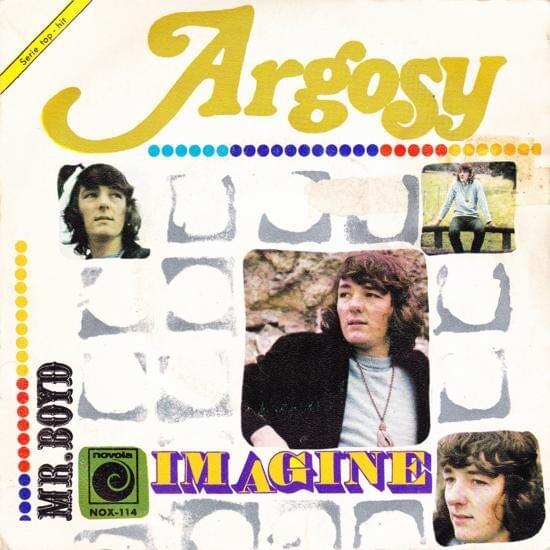
 View Artist