Song Meaning
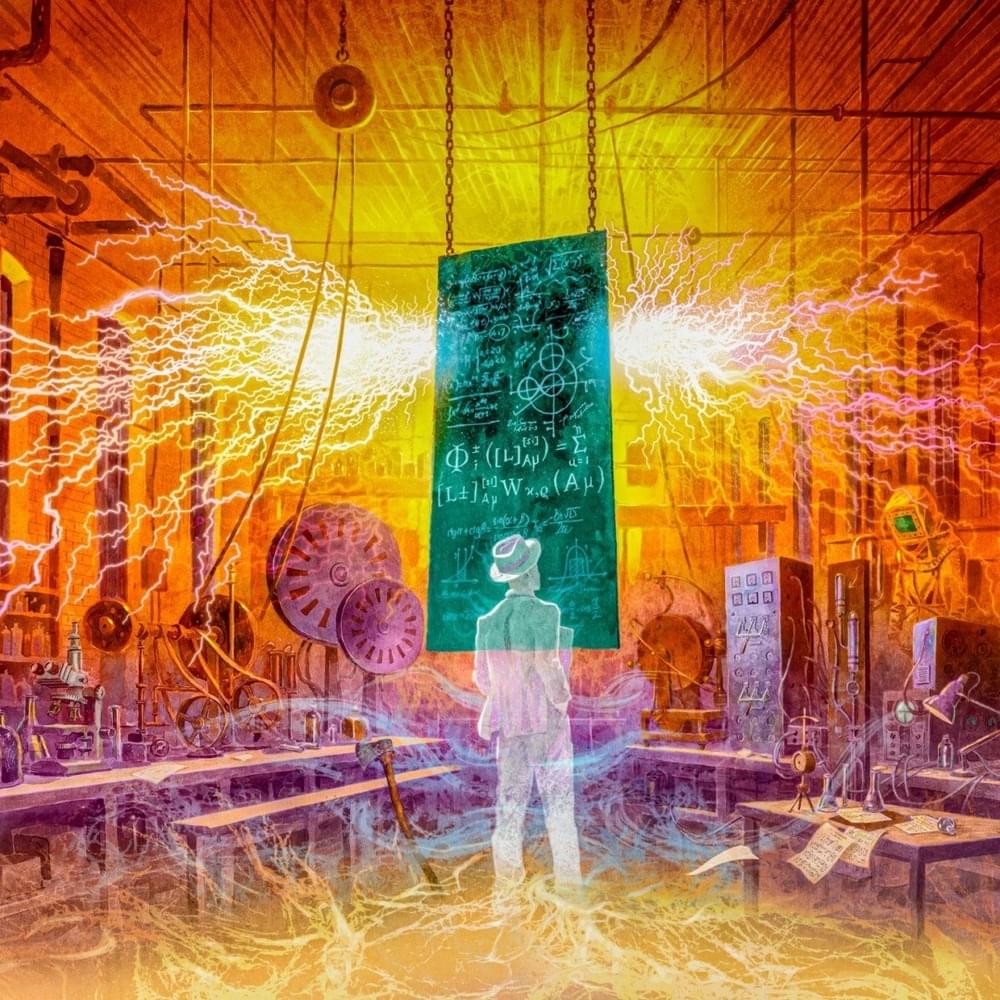
The lyrics present a fascinating, almost cosmic view of inherited traits and potential. It begins with a grand, scientific image of "atoms bonded into molecules of life" drifting through "stardust." This sets a tone of fundamental existence, suggesting that the building blocks of life and talent are always present, waiting for their moment of "integration." The early lines paint a picture of a child growing "pure and unaware," hinting at the passive reception of these inherent qualities.
The core tension arises from the comparison of this integration to a "virus taking hold." This unsettling metaphor, repeated insistently, frames the emergence of innate talents – composing, painting – not as a gentle unfolding but as an invasive, uncontrollable force. The lyrics question the origin of these traits, posing the classic "nature vs. nurture" dilemma and adding a layer of the "divine," suggesting a mystery at the heart of genius. The repetition of the virus imagery amplifies the sense of something powerful and perhaps even unwanted taking root within the individual.
The most striking craft element is the shift in perspective in the final verse. The narrator directly addresses the listener, asking if they've ever wondered about their own compulsions and search for a specific place or purpose. This turns the abstract concept of inherited genius into a personal revelation. The lyrics suggest that the listener's own search and innate abilities are the culmination of the narrator's "quest," implying a shared, almost predestined connection. The final lines, "It was always you," bring the cosmic and the personal together, revealing the integration not as an external invasion but as an internal realization of one's own inherent nature.
This lyrical approach is effective because it uses grand, scientific imagery and a disturbing, visceral metaphor to explore something deeply personal: the source of our talents and drives. The progression from cosmic dust to viral invasion to personal revelation creates a compelling narrative arc. The insistent repetition of the virus chorus hammers home the unsettling yet inevitable nature of these inherent qualities, making the final, intimate address feel like a profound, almost fated, discovery for the listener.
 View Artist