Song Meaning
The lyrics paint a picture of someone grappling with a persistent internal struggle, a battle against self-deception and a longing for a state of passive acceptance. The opening lines, "Tá na hora de levantar e ir à luta / Chega de esperar a sua ajuda," immediately establish a tone of urgent self-reliance. There's a clear sense of needing to break free from a cycle of waiting for external validation or assistance, pushing towards action and away from delusion.
The central tension lies in the narrator's desire to stop wanting, a paradoxical goal that highlights a deep weariness. The repeated phrase "Não precisa pedir perdão" acts as a mantra, suggesting a release from guilt or a need for absolution, yet the narrator seems to be both offering and denying this release to themselves. This internal conflict is further emphasized by the imagery of seeing someone's image "toda hora" and then running from it, only to realize the futility of such avoidance.
The most striking aspect is the narrator's attempt to manage overwhelming emotion through a peculiar coping mechanism: "Então começo a rir pra não chorar." This jarring shift from distress to laughter underscores the depth of their internal turmoil, a desperate attempt to reframe pain into something absurd or manageable. The dream of being "tão ativo" while simultaneously wanting "não mais querer" encapsulates this core paradox of fighting for a state of non-desire.
Ultimately, these lyrics resonate because they capture the exhausting effort of confronting one's own mind. The repeated insistence on not needing forgiveness, coupled with the flight from an image and the laughter through tears, creates a raw portrayal of an internal battle for peace. It’s the sound of someone trying to outrun their own thoughts and find solace in a self-imposed quietude.
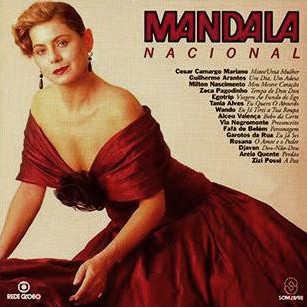
 View Artist