Song Meaning
The lyrics paint a visceral, disorienting picture of post-party aftermath, immediately juxtaposing the grotesque "blood and guts" with the jarring sensory overload of "smells like Christmas" and "smells like dog shit." This sets a tone of decay and unease, hinting at a deeper societal or personal rot beneath a festive facade. The "problem child" and the "one who always wins Defender" suggest a dynamic of conflict and perhaps a twisted sense of victory or entitlement, all experienced through a haze of intoxication and injury.
The central tension emerges in the repeated refrain: "Don't dare believe the good news." This isn't just skepticism; it's a desperate plea against false hope or manufactured positivity. The narrator seems to be warning against a narrative that ignores the grim reality depicted earlier, a reality of being "disabled," "kicked in the ribs," and "hidden under the table." The "Missile Commander" figure, feeling misunderstood and unsupported, amplifies this sense of isolation and disillusionment.
The craft here lies in its raw, almost stream-of-consciousness imagery and the stark, repetitive chorus. The contrast between the mundane and the horrific – a party turning into a scene of violence, the scent of celebration mixed with filth – creates a potent sense of cognitive dissonance. The shift from the immediate aftermath to the abstract "Missile Commander" and the aspiration of "Dreaming of the front row" highlights a yearning for recognition or escape from a bleak present.
Ultimately, these lyrics resonate because they capture a feeling of profound distrust and the struggle to find truth amidst chaos and perceived deception. The raw, unflinching depiction of a broken scene, coupled with the insistent warning against believing comforting lies, taps into a deep-seated anxiety about the narratives we're fed and the harsh realities we often face alone.
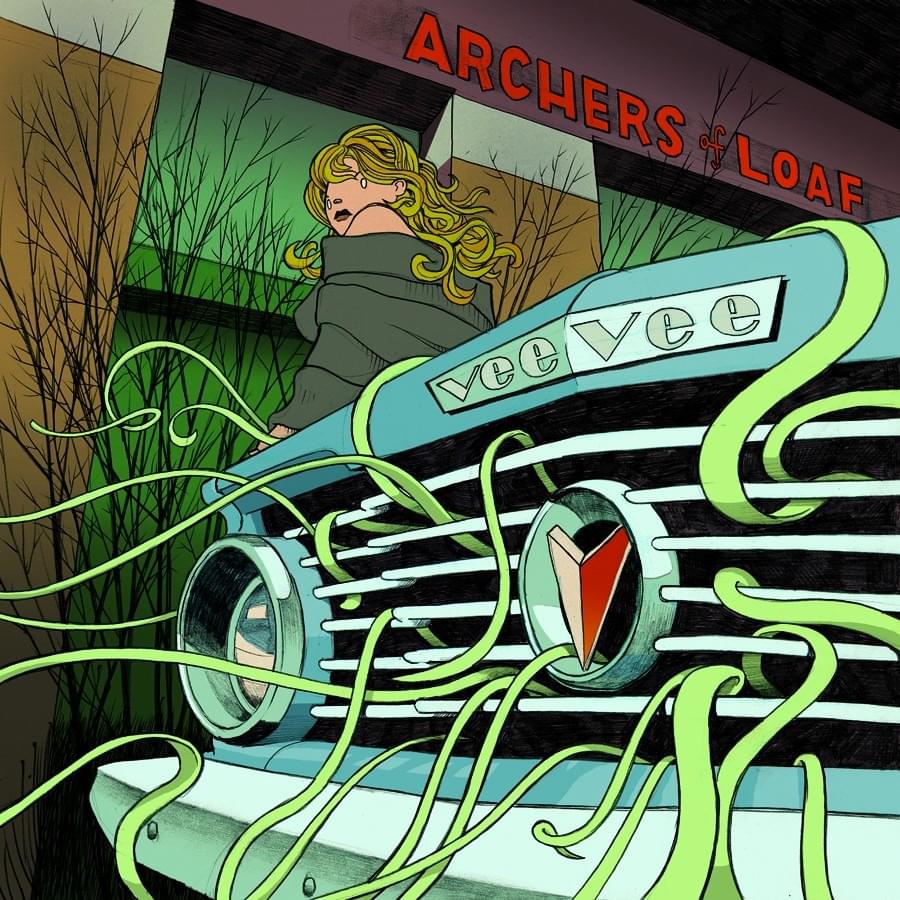
 View Artist