Song Meaning
The lyrics paint a stark picture of someone consumed by past regrets and present suffering. The opening lines establish a tone of profound weakness and despair, with the narrator "crawl[ing]" in the "dust of past mistakes." This imagery suggests a state of utter defeat, where the weight of errors has brought them low. The movement towards "darkness" and "cold heartaches" signals an intentional, albeit painful, withdrawal from a life defined by "forever burning hate" and "torment."
The central tension lies in the narrator's desperate desire for an end to their suffering, yet their simultaneous inability to embrace death. They are "not prepared to die," creating a painful paradox where the only perceived escape is impossible. This internal conflict is amplified by the feeling of being stripped of humanity, reduced to a "fool of anxiety" trapped in "dark insanity." The repeated phrase "dark insanity" acts as a grim refrain, emphasizing the inescapable nature of their mental state.
The craft here is direct and visceral, relying on stark, almost brutal, imagery. The contrast between the desire for an end and the fear of dying is particularly potent. Phrases like "memories eat me alive" and the self-description as "no more a human being" convey a sense of internal destruction and dehumanization. The lyrics don't shy away from raw emotion, presenting a raw, unvarnished account of psychological torment.
This raw honesty is precisely what makes the lyrics hit so hard. The narrator's plea to "God, I wish this to end" coupled with the admission of being "not prepared to die" captures a deeply human, albeit agonizing, struggle. It’s the feeling of being trapped in a cycle of pain, wanting relief but fearing the ultimate release, that resonates with a powerful, unsettling intensity.
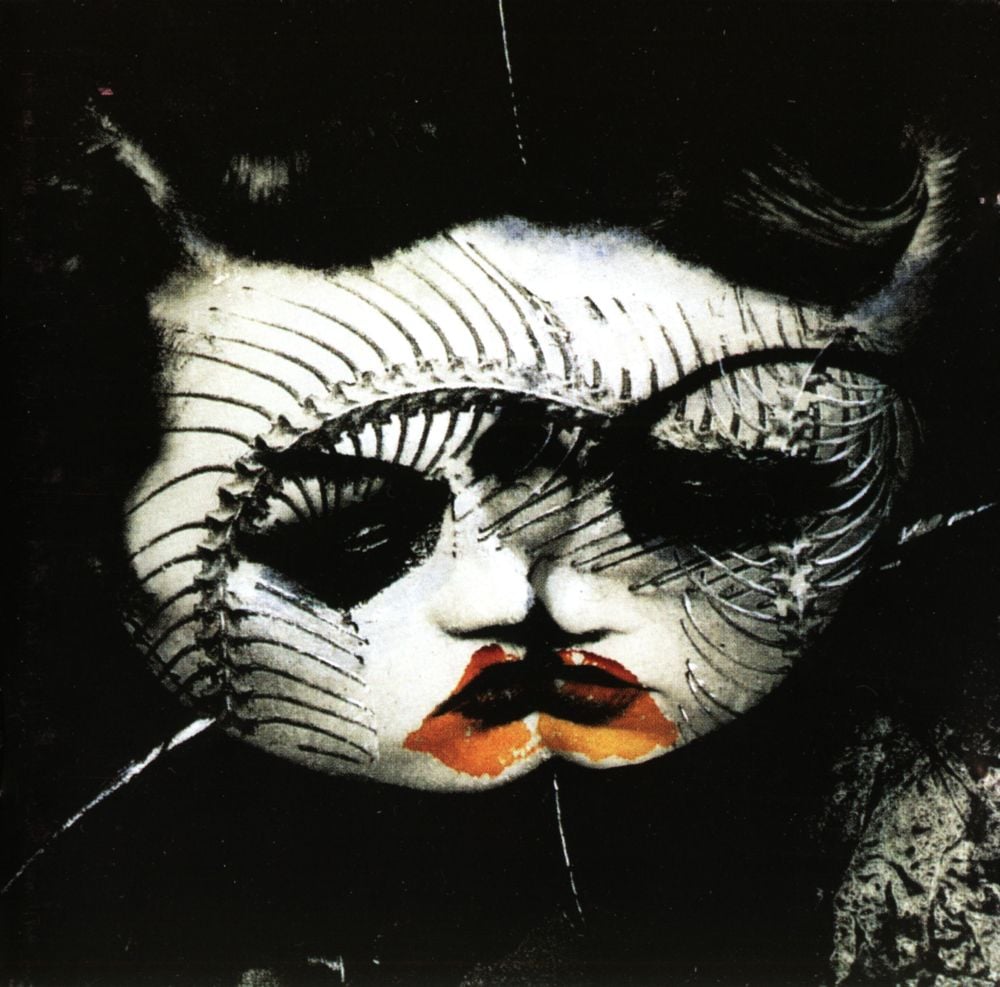
 View Artist