Song Meaning
This song paints a vivid picture of intense devotion, framing love as a form of willing servitude. The narrator expresses a deep desire to express his overwhelming affection, questioning how such profound pleasure can lead to exhaustion. The opening lines, "É bom te amar demais / Me dê um abraço, por favor," immediately establish a tone of eager adoration and a plea for closeness.
The core tension arises from the narrator's self-perception as a "súdito no amor" – a subject or vassal in love – who is elevated by his beloved's choice. He contrasts his origins from a land of powerful African goddesses with his current role, suggesting his beloved has bestowed upon him a noble status, complete with "espada e sobrenome" (sword and surname) to serve her "alteza" (highness).
What's striking is the rich, almost regal imagery used to describe this subservient role. The narrator sees his beloved's eyes as inheriting "tesouro do meu povo" (treasure of my people), and when he is with her, he "Viro África de novo" (becomes Africa again). This transforms the act of lovemaking into a profound reconnection with his heritage, with specific locations like Angola and Bahia invoked to represent his complete immersion in her being, particularly in her "seios" (breasts) and "ventre" (womb).
The effectiveness lies in how the lyrics blend personal intimacy with grand, almost mythic declarations. The narrator isn't just expressing love; he's articulating a sense of honor and belonging derived from his beloved's acceptance. The recurring phrase "É bom te amar demais" acts as both a confession and a constant affirmation, anchoring the elaborate metaphors back to the simple, powerful feeling of loving someone immensely.
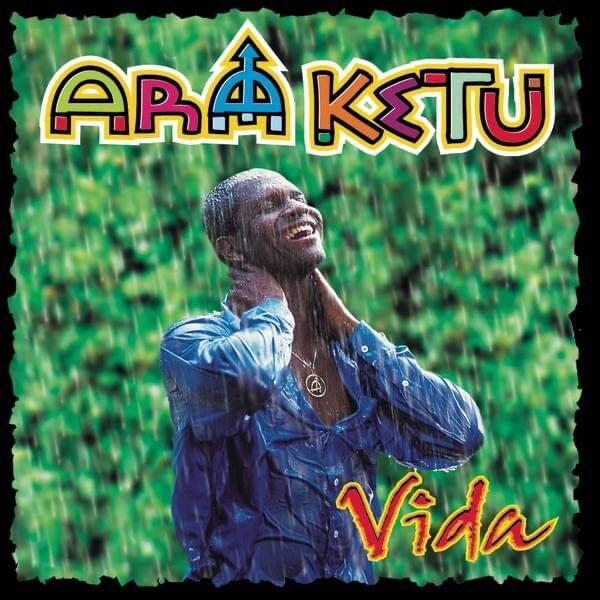
 View Artist