Song Meaning
This track opens with a seemingly simple scene: a child asking for a blessing from their mother and saying goodbye to their father before heading out with friends. The narrator immediately establishes a sense of youthful exuberance, noting the friends "that never leave my head." This initial setup feels like a familiar coming-of-age moment, tinged with the slight apprehension of a parent's parting advice to "not be long."
However, the narrative quickly pivots. The narrator admits to being late, and the father's worried "Where were you? What happened?" reveals a deeper parental concern than just a curfew. The narrator’s response, "Look at my happy face, you don't need to explain," attempts to diffuse the tension, but the father’s persistent questioning hangs in the air. This creates a central tension between the child's desire for freedom and the parent's underlying anxiety.
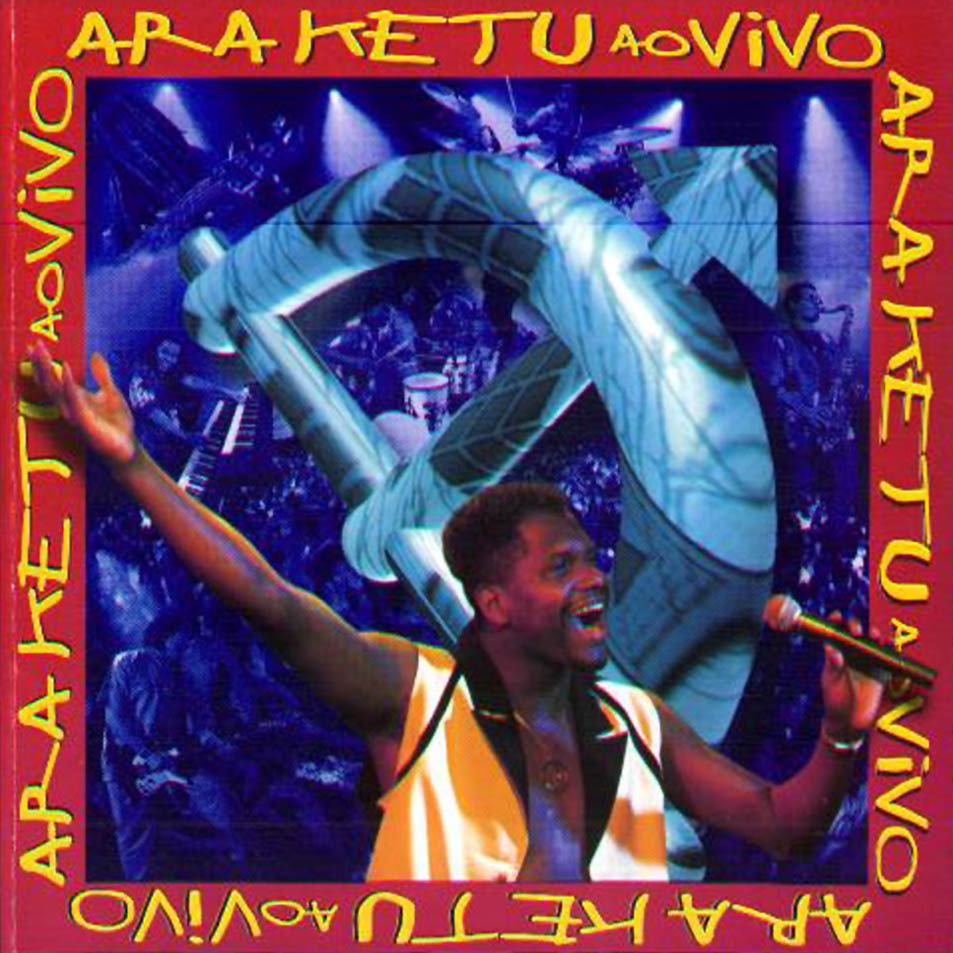
The lyrics then reveal the source of the delay: "I was with the guys from Ara." The repeated phrase "Ô meu pai" (Oh my father) becomes a plea for understanding, a way to soften the explanation. The final lines, "I was at Ara's rehearsal / I am Ara Ketu," shift the context dramatically. The narrator isn't just out with friends; they are involved in something significant, likely a musical or cultural group, and the father's worry is perhaps tied to the perceived risks or demands of this activity.
What makes these lyrics resonate is the subtle unfolding of a parent-child dynamic. The initial scene is relatable, but the subtext of parental worry and the narrator's eventual, almost defiant, revelation of their passion for "Ara Ketu" adds layers of meaning. The simple repetition of "Ô meu pai" transforms from a polite address to a more complex expression of seeking approval and asserting identity.
 View Artist