Song Meaning
This song paints a vibrant, almost hallucinatory picture of a Brazil steeped in natural beauty and cultural fusion. The opening lines immediately ground us in a sensory experience: a star in hair, the sound of hooves by the sea, birdsong from a guava tree, and the scent of the moonlit woods. It’s a rich tapestry of imagery that feels both specific and dreamlike, setting a tone of wonder and expansive possibility.
The lyrics then leap into a more eclectic, globalized vision, connecting the "guitarra baiana" to a comet and the "colors of the peacock's tail." This section introduces a fascinating blend of the exotic and the familiar, referencing "Zanzibar, Tuaregs, and Patufas" alongside "lights of Gandhi heart." This juxtaposition suggests a desire to weave together diverse influences, finding a shared spirit or "light" that connects disparate cultures and experiences.
The core of the song seems to reside in the tension between the "mambembe" horse – a creature without prominence or distinction – and the powerful, joyous "gallop" that links Olinda to Bahia. The "blue" of the frevo, explicitly stated as the "color of joy," becomes a unifying element. It’s as if the lyrics are searching for a way to elevate the ordinary, to find profound joy and connection even in something seemingly "without relief," by anchoring it to a vibrant, culturally rich movement and place.
Ultimately, the effectiveness of these lyrics lies in their ability to evoke a feeling of boundless, almost mystical celebration. By stringing together disparate images and cultural touchstones, the song creates a unique atmosphere where natural wonders, global influences, and specific Brazilian cultural expressions like frevo and the Olinda-Bahia connection coalesce. It’s a call to embrace a joyful, expansive spirit, finding the extraordinary within the everyday and the far-flung.
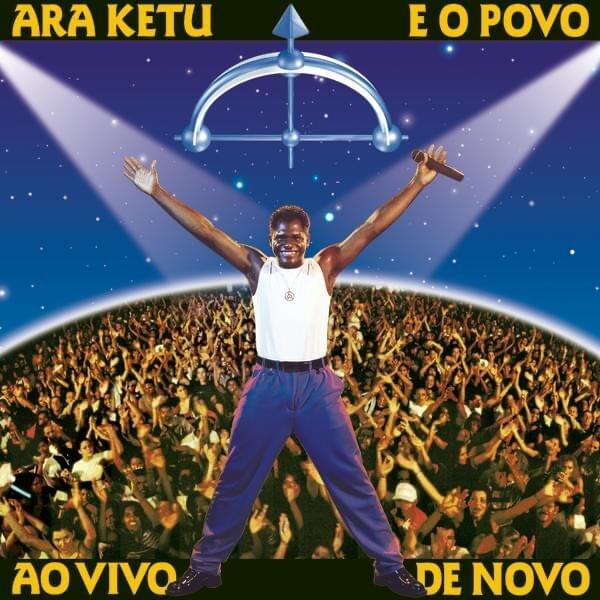
 View Artist