Song Meaning
These lyrics open with a stark introspection, immediately posing questions about past actions and their fleeting outcomes. The narrator's response, "Я лился, как вода," suggests a life lived with a certain natural flow, perhaps without rigid direction, leading to creations "что исчезнет без следа" — things destined to vanish.
The central emotional tension here lies in the contrast between effort and its ultimate impermanence. The narrator speaks of "песни без цели, песни без стыда," a striking juxtaposition. These songs, devoid of grand ambition yet sung without inhibition, were crafted for a singular, intimate purpose: "чтобы унять твою печаль." It suggests a raw, honest expression, born from a desire to comfort, even if the creations themselves are destined to fade.
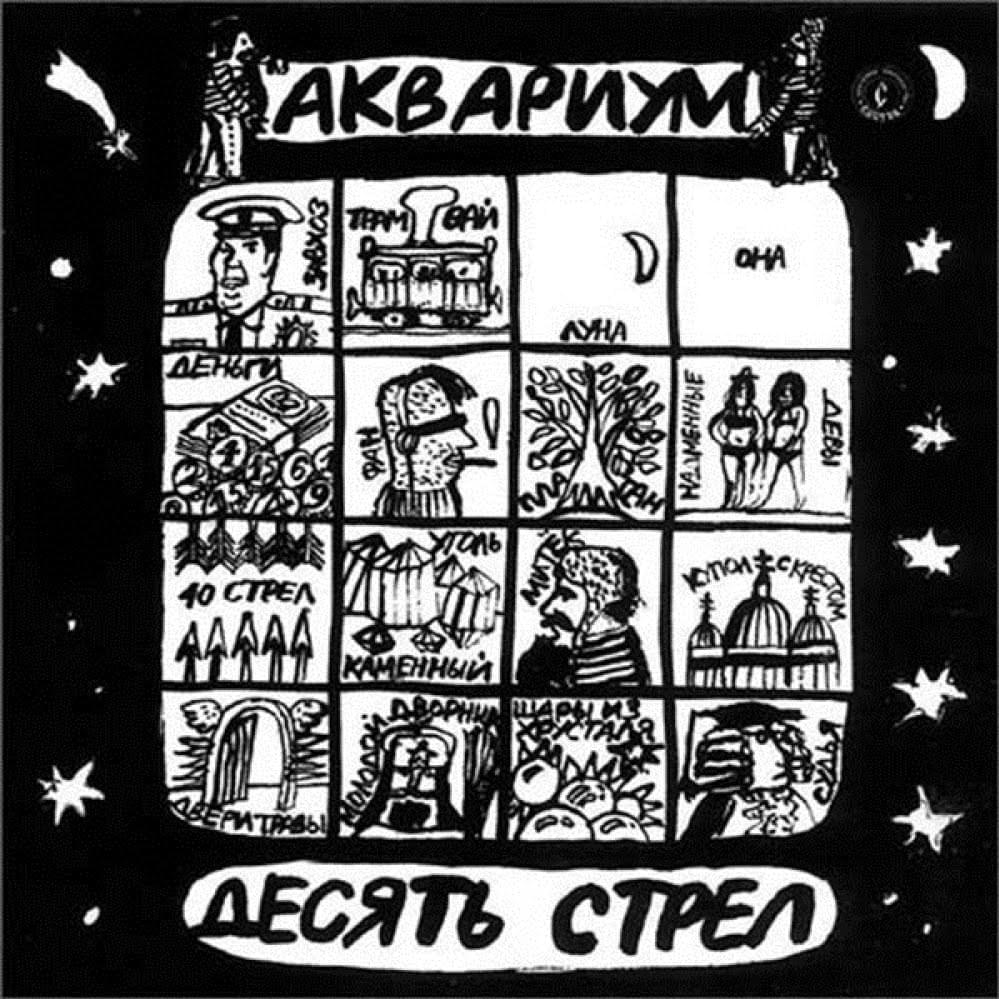
The craft truly shines in the vivid, almost surreal imagery that follows. When contemplating what is within their grasp, the lyrics offer "Гранитные поля," suggesting something vast and enduring, immediately followed by the fragile "Птицы из пепла, шары из хрусталя." These images — birds born of destruction, beautiful yet breakable crystal — powerfully underscore the delicate balance between strength and fragility, permanence and decay, that defines their perceived control.
Ultimately, the lyrics land on a profound sense of resignation. The path they walked leaves only "небо да земля," a testament to their lack of lasting impact. The final line, "Но ветер придет, и нас уже не жаль," delivers a chilling, almost poetic acceptance of oblivion. It's a powerful statement on the human condition, where even the most heartfelt efforts are ultimately swept away, leaving no trace and no one to mourn.
 View Artist