Song Meaning
The lyrics paint a bleak picture of creative stagnation and societal decay, opening with a stark declaration: "Пятьсот песен — и нечего петь." This immediately establishes a sense of exhaustion and futility, where even a vast output yields no new substance. The world outside is depicted as a "запертую клеть" (locked cage) and a place where "суховей" (dry wind) blows through provincial streets. The narrator's homeland is described with brutal imagery, "как свинья, жрет своих сыновей" (like a pig, devours its sons), suggesting a destructive, self-consuming national identity. This sense of being consumed by one's own country is amplified by the chilling image of "Руки в перчатках качают колыбель" (gloved hands rock the cradle), implying a sterile, perhaps even sinister, nurturing of the next generation.
The central tension arises from a profound disillusionment with societal and spiritual values. The narrator questions fundamental beliefs, asking, "кто-нибудь помнит, кто висит на кресте?" (does anyone remember who hangs on the cross?). This spiritual weariness is juxtaposed with the cynical observation that "больше всего денег приносит 'груз 200'" (the most money is brought by 'cargo 200' – a euphemism for military casualties). Patriotism is reduced to a violent, exclusionary creed: "Патриотизм значит просто «убей иноверца»" (Patriotism simply means 'kill the infidel'). This harsh reality creates a deep "трещина проходит через мое сердце" (crack runs through my heart), highlighting the personal cost of such a worldview.
One of the most striking craft elements is the pervasive imagery of decline and entrapment, often presented with a darkly ironic twist. The "желтой подводной лодки" (yellow submarine) now has "мумии в рубке" (mummies in the cabin), a surreal and morbid update to a familiar cultural reference. The "колесо смеха" (wheel of laughter) becomes a "мясорубки" (meat grinder), transforming joy into destruction. The narrator feels like "негатив на свету" (a negative in the light), existing in a state of inversion. The repeated line, "Мертвые хоронят своих мертвецов" (The dead bury their dead), acts as a grim refrain, emphasizing a cycle of death and futility from which there seems to be no escape. The final lines, "Нас учили не жить, нас учили умирать стоя" (We were taught not to live, we were taught to die standing), and the repeated "в эту игру могут играть двое" (this game can be played by two), suggest a fatalistic acceptance of a destructive, perhaps adversarial, existence.
These lyrics resonate because they articulate a profound sense of disillusionment with a society that seems to consume its own, where hollow pronouncements mask brutal realities. The effectiveness lies in the visceral, often surreal imagery that bypasses direct statement to evoke a powerful emotional response. The contrast between expected comfort (cradle, laughter) and grim reality (gloved hands, meat grinder) creates a disquieting unease. The repeated, stark pronouncements, particularly "Мертвые хоронят своих мертвецов," hammer home a feeling of inescapable decay and a loss of genuine life, making the narrator's weariness palpable and deeply affecting.
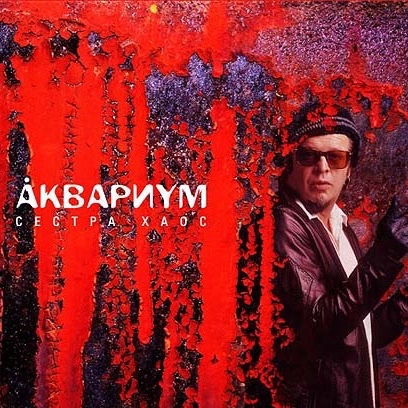
 View Artist