Song Meaning
The narrator opens with a stark admission of past failures and a self-awareness of emotional blindness. They acknowledge causing pain, admitting, "I failed you left and right," and confessing to being "too hard inside / To see you hurting." This sets a tone of regret and vulnerability, highlighting a significant personal failing that has impacted another person. The repeated phrase "I'm still learning" suggests a continuous process of growth, even at an advanced age, underscoring the difficulty of self-improvement and understanding others.
The core of the lyrics centers on a profound internal shift. The narrator asserts, "there's been a change, in me," offering a promise that what was withheld before can now be given. This transformation is framed by the repeated refrain of "I'm becoming" and "I'm overcoming." The act of "becoming" is tied to positive attributes like being "whole," "healed," and "something beautiful to see." Simultaneously, the narrator is actively "overcoming" negative forces such as "fear," "shame," "pride," and "blame." This dual process of growth and shedding old burdens forms the emotional engine of the song.
The most striking aspect of the writing is the deliberate contrast between past actions and present intentions. The narrator explicitly states, "I cannot change, the past / I cannot change, your mind," grounding their efforts in a realistic assessment of limitations. Instead, the focus is solely on personal agency: "I guess all that I can change, is me." This self-directed transformation is further emphasized by the image of "rebuild[ing] the bridges I once left burning," a powerful metaphor for repairing damaged relationships through personal change. The lyrics suggest a deep commitment to this difficult, ongoing work of self-redemption.
Ultimately, these lyrics resonate because they articulate a relatable struggle for personal growth and accountability. The repeated declarations of "becoming" and "overcoming" create a sense of forward momentum and hope, even while acknowledging the weight of past mistakes. The focus on internal change as the only viable path to reconciliation offers a mature perspective on healing and amends. The narrator's journey from blindness and failure to active self-improvement and a desire to "set things right" provides a compelling narrative of transformation.
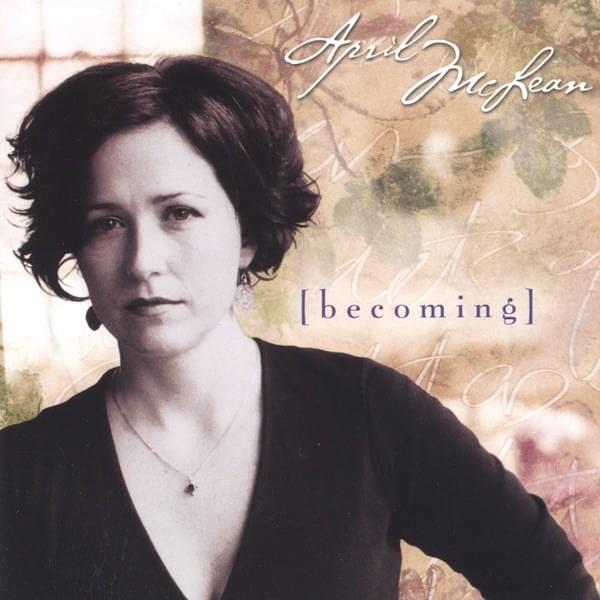
 View Artist