Song Meaning
The lyrics paint a stark picture of pervasive emptiness and decay, beginning with a relentless litany of "deserted." This isn't just about physical abandonment; it's a deep-seated desolation affecting the eyes, soul, and even the hands of men, suggesting a profound loss of purpose and connection. The narrator seems to feel that even their desires are met with this same emptiness, asking "Deserted all should I want." This opening sets a tone of overwhelming despair.
The central tension arises from the stark contrast between this pervasive desertion and the urgent plea to "Turn the light on." This command, repeated with increasing insistence, acts as a desperate cry against the encroaching darkness. It suggests a flicker of defiance, a recognition that even within this bleak landscape, there's a "desperate hope inside us all" that yearns for illumination and escape.
The most striking element is the juxtaposition of "deserted laughs" with the idea of youth and mortality. The laughter of the abandoned is described as suffocating, a chilling image that implies a loss of joy so profound it becomes oppressive. This is amplified by the line "Today so young and tomorrow gone," highlighting the fragility of life and the fleeting nature of time against the backdrop of this existential void. The idea of a "rematch" against this fate, happening in a "home" that is "left alone," underscores the feeling of being trapped in a losing battle.
Ultimately, the effectiveness of these lyrics lies in their raw, unvarnished portrayal of hopelessness countered by a primal urge for salvation. The repetition of "Turn the light on" functions as a mantra, a desperate incantation against the overwhelming sense of being lost. It’s this raw, almost primal, plea for a way out of the suffocating "deserted" state that makes the song resonate, tapping into a universal feeling of searching for a glimmer of hope in the darkest of times.
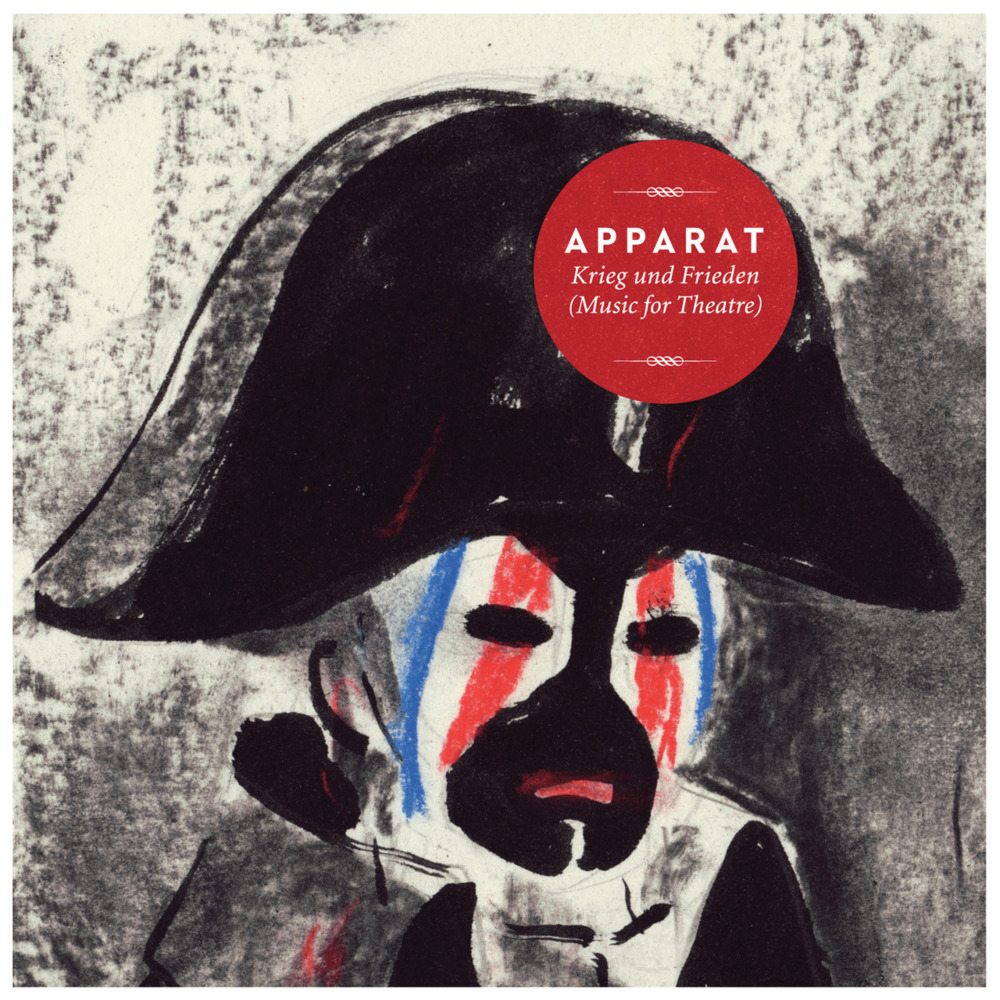
 View Artist