Song Meaning
The lyrics immediately plunge into a stark moral dilemma, asking if the speaker is "an angel or a devil." The quick, self-aware answer — "I'm only human so I guess both" — sets a tone of candid self-acceptance, even for one's darker impulses. It's a punchy declaration of inherent duality.
This tension is the central conflict: the struggle between perceived good and acknowledged bad. The speaker grapples with an internal battle, not just observing it but actively participating in actions that blur the lines. Phrases like "Bite the dust while I dash" suggest a dynamic, almost reckless engagement with life that defies simple categorization.
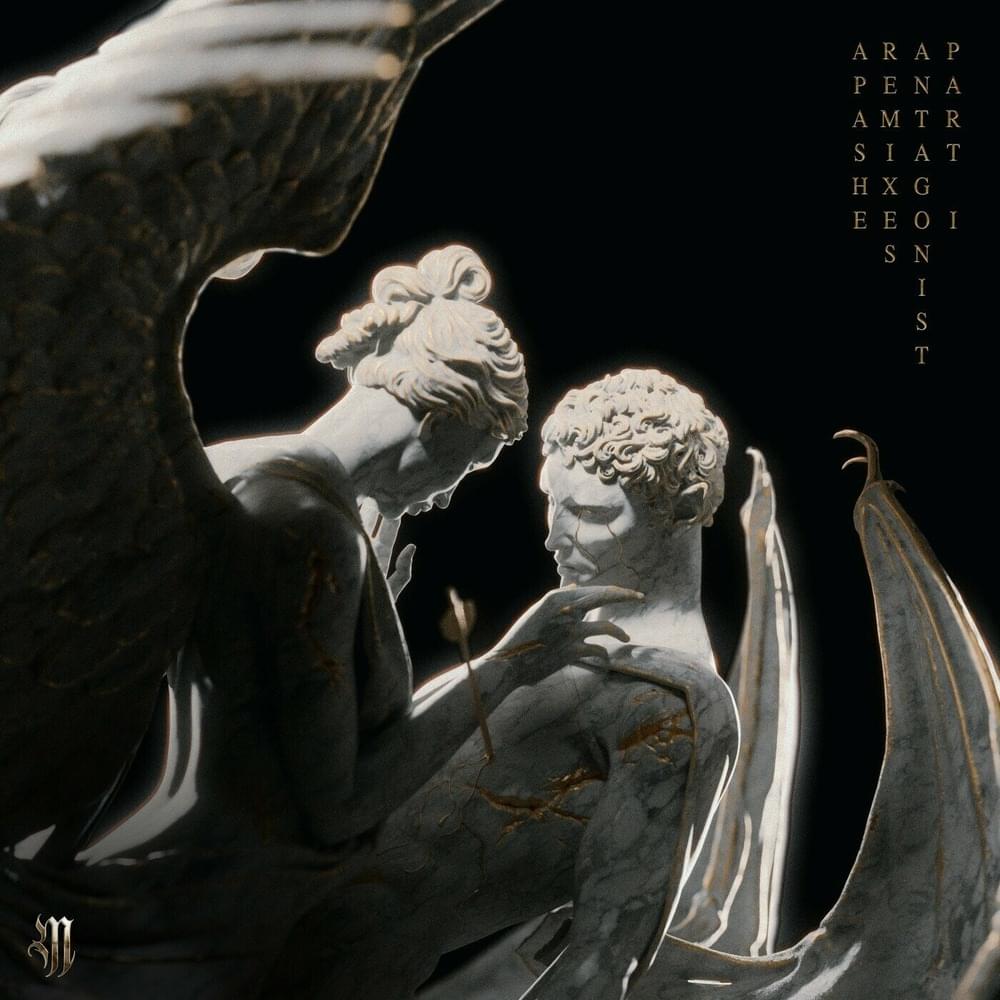
The most interesting craft element appears in the visual metaphor of the "white hat" turning "black" after doing "some dirt." This concisely represents a moral transformation or the shedding of an innocent self-perception, revealing a more complex reality. The line "The villain gets the last laugh" further solidifies this embrace of a less-than-heroic identity.
Ultimately, these lyrics are effective because they don't shy away from the messiness of human nature. They capture the internal conflict and the eventual, almost defiant, embrace of one's less-than-perfect side. This honest portrayal of duality resonates, suggesting that being "human" means accepting the full spectrum of one's actions and intentions.
 View Artist