Song Meaning
The lyrics paint a picture of someone caught in a cycle of self-deception and repeated mistakes. The narrator acknowledges a pattern of being wrong, stating "I should know better" and "Thought I knew better," yet finds themselves unable to break free. This internal struggle is amplified by the repetition of "Too many times," emphasizing the persistent nature of their misjudgments and the difficulty in changing their course.
The core tension lies in the conflict between knowing better and the inability to act on that knowledge. The narrator seems to be blaming an external "you" for a "bet," suggesting a desire to shift responsibility. However, the repeated admission of their own flawed judgment undermines this, revealing a deeper internal battle where self-awareness clashes with ingrained behaviors.
The most striking aspect is the stark, almost primal expression of disorientation and loss of control in the chorus: "I'm lost / I'm fallin' / I'm slippin' off / I'm caught in." This simple, direct language powerfully conveys a sense of being overwhelmed and unable to steer their own life. The subsequent build-up, with its insistent "I'm lost," hammers home this feeling of inescapable confusion.
Later verses introduce themes of addiction and escapism, with phrases like "Hazy states, runnin' on addictions" and "Caught in a daze, fading away." The decision to "close, than open doors" suggests a preference for avoidance over confronting difficult truths, even when it "takes its toll." The narrator's attempt to shed this "camouflage" and embrace a "new light" signals a potential turning point, a desire to stop hiding and to simplify their life, though the lingering "I'm lost" in the outro suggests this is an ongoing struggle.
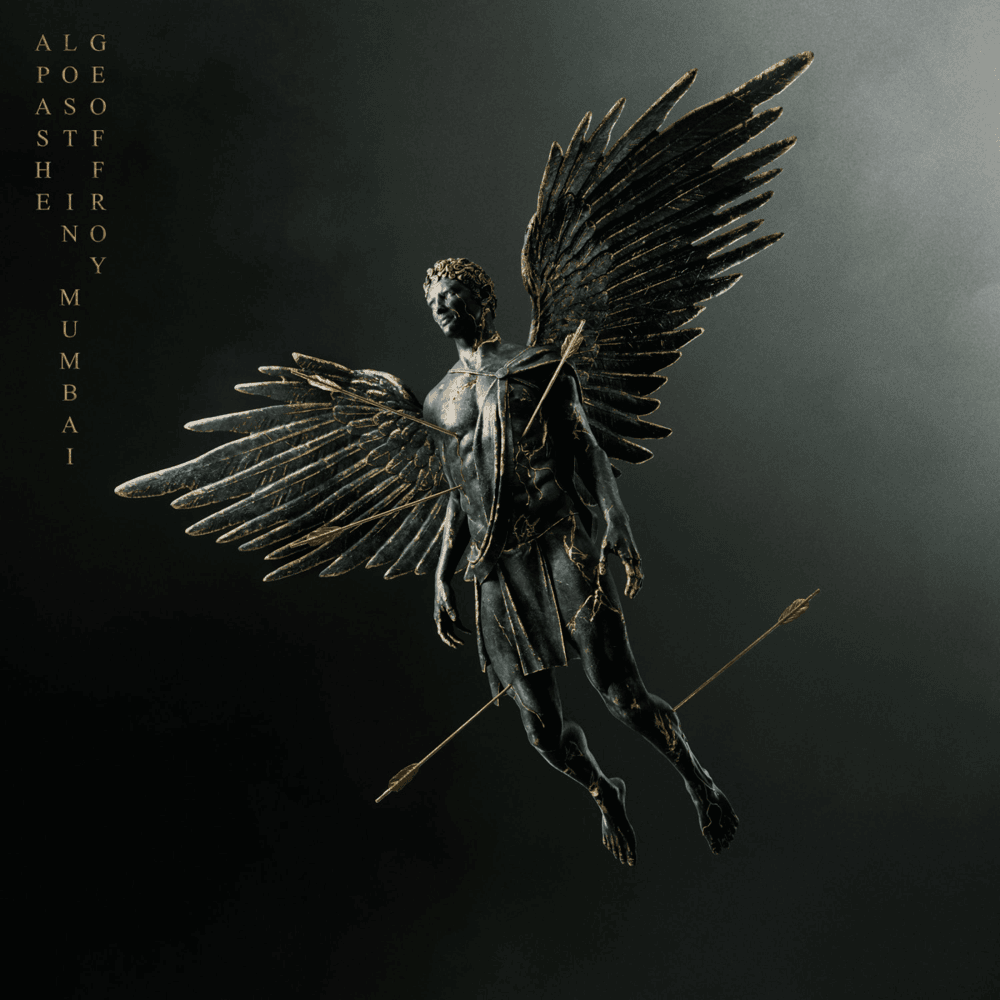
 View Artist