Song Meaning
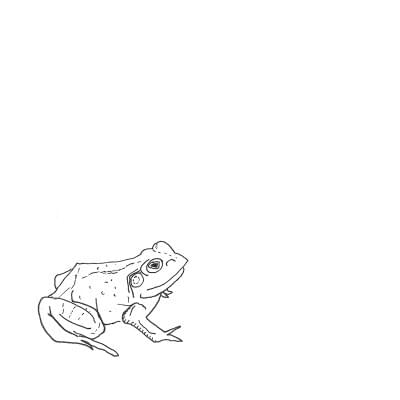
The narrator paints a vivid, almost primal picture of devotion, contrasting the raw sounds of nature with an intense personal desire. "Big frogs croak" and "Baby frogs slither" set a scene of natural cycles and perhaps a hierarchy, but the focus quickly shifts to an overwhelming personal commitment. This isn't just about liking someone; it's a fundamental choice that overrides all other concerns.
The core tension lies in the narrator's willingness to embrace absolute ruin for the sake of proximity to "her." The repeated phrase "I'd rather go broke / Than not be with her" and "I'd live in ruin / To lie down beside her" hammers home this extreme dedication. It suggests a love so potent it redefines value, making financial or material stability utterly irrelevant.
The imagery of "Bull frogs croon" and "Slugs wiggle wider" adds a layer of slightly unsettling, yet earnest, naturalism to the declaration. The croaking and wiggling become a soundtrack to this profound, almost desperate, longing. The contrast between the impersonal, almost indifferent, natural world and the narrator's deeply personal, all-consuming affection is striking.
This lyrical approach works because it grounds an extreme emotional state in surprisingly specific, almost mundane, natural phenomena. The stark, declarative statements about ruin and poverty, juxtaposed with the amphibian and invertebrate imagery, create a unique and memorable expression of unwavering commitment. It’s a raw, unvarnished declaration that prioritizes connection above all else.
 View Artist