Song Meaning
The narrator is caught in a cycle of hurt, repeatedly asking if they've expressed their pain and if it's been acknowledged. They feel offended by harsh words, yet the chorus reveals a desperate plea for superficial comfort over painful truth. The repeated question, "A t'a kam..." (Did I tell you/Did I accept/Did I wish you), underscores a feeling of being unheard or misunderstood in their suffering.
The central tension lies in the conflict between the desire for genuine connection and the overwhelming need for relief from emotional pain. The narrator confesses, "Fjalët e rënda kur më the" (The harsh words when you told me), indicating past wounds. Yet, the chorus flips this, stating, "Po më duhen vetëm lajka" (I only need flattery/sweet talk), and posing the stark question, "Nëse dhemb, kujt i duhet e vërteta?" (If it hurts, who needs the truth?). This suggests a preference for illusion when reality is too damaging.
The most striking craft element is the repetition of "Lajka," which translates to flattery or sweet talk. This word becomes a refrain, a desperate mantra for a comfort that is acknowledged as "fare, fare të sinqerta" (very, very sincere) – implying the opposite, that it's insincere. The contrast between the narrator's evident pain and their demand for superficial pleasantries creates a poignant, self-aware desperation.
This lyrical approach is effective because it captures a raw, relatable human impulse: the desire to escape pain, even if it means embracing falsehood. The narrator's vulnerability is laid bare in their admission of being hurt and their subsequent, almost defiant, demand for "lajka." It’s a powerful portrayal of emotional self-preservation, where the sting of truth is too much to bear, making the hollow comfort of flattery seem like the only viable option.
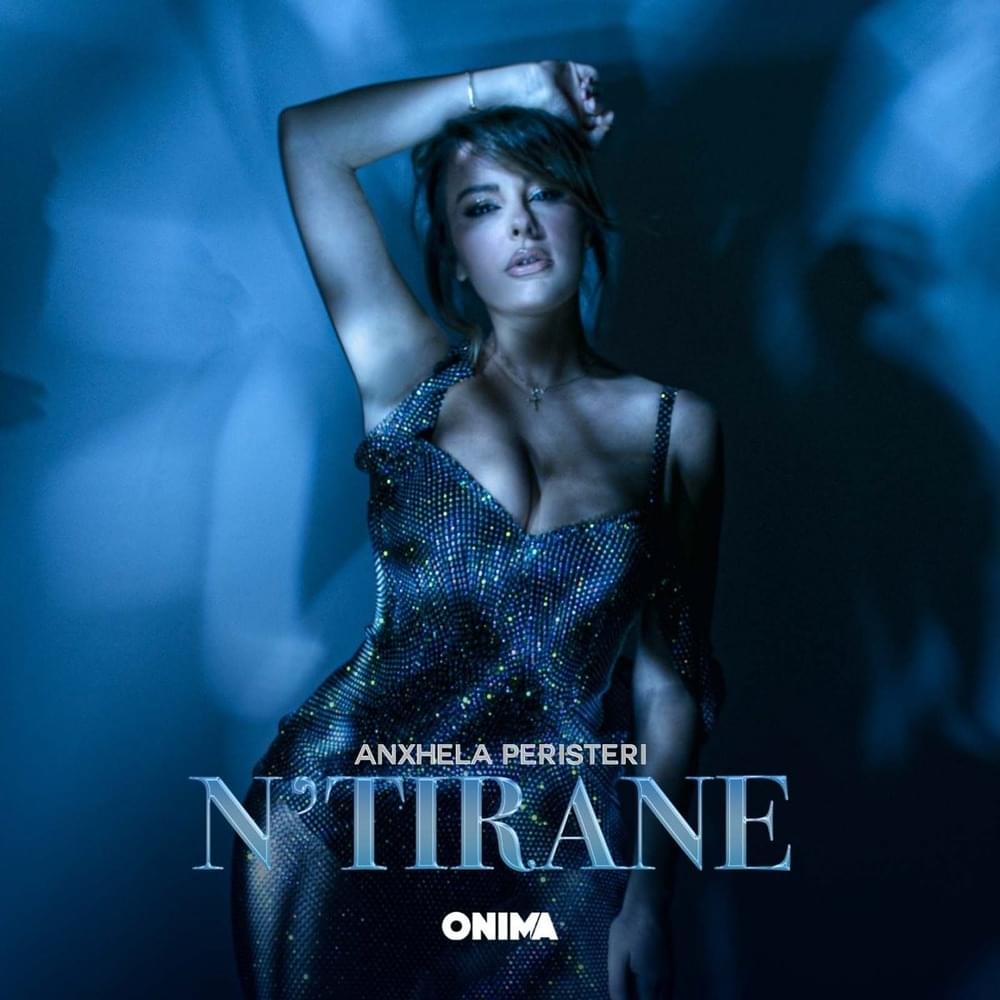
 View Artist