Song Meaning
The lyrics paint a picture of profound loss and the lingering power of words in the face of oblivion. The narrator grapples with the ephemeral nature of existence, questioning the purpose and destination of those who have vanished. This sense of absence is palpable, underscored by the repeated assertion that "only words do not know death." It’s a stark acknowledgment that while people and moments fade, their spoken or written legacies can endure.
The central tension arises from the sudden disappearance of light and the ensuing silence, which "rocks the mind." This abrupt darkness suggests a profound disruption, perhaps a death or a profound separation, leaving the narrator in a state of bewildered quietude. The hope, however faint, lies in the possibility of reunion or awakening: "Maybe beyond the night, you will open your eyes again." This refrain carries the weight of longing and the desperate wish for a return or a new beginning.
The craft here is in the stark contrasts and the persistent motif of words versus mortality. The lyrics juxtapose the physical vanishing of people and the fading of all things with the immortality of language. The imagery of "light suddenly disappeared" and the "silence rocking the mind" creates a visceral sense of disorientation. The repetition of "only words do not know death" acts as a melancholic mantra, a fragile anchor in the face of overwhelming impermanence.
Ultimately, the effectiveness of these lyrics stems from their raw, unadorned portrayal of grief and the enduring human need for connection, even across the void. The simple, declarative sentences and the recurring question of whether the lost will awaken again tap into a universal experience of loss and the faint hope that persists. The closing lines, "Water flows, winds subside / Everything passes, and death passes too," offer a quiet, almost resigned acceptance of the natural cycle, yet the preceding plea for reopened eyes suggests a desire to transcend that cycle, to find meaning beyond the inevitable.
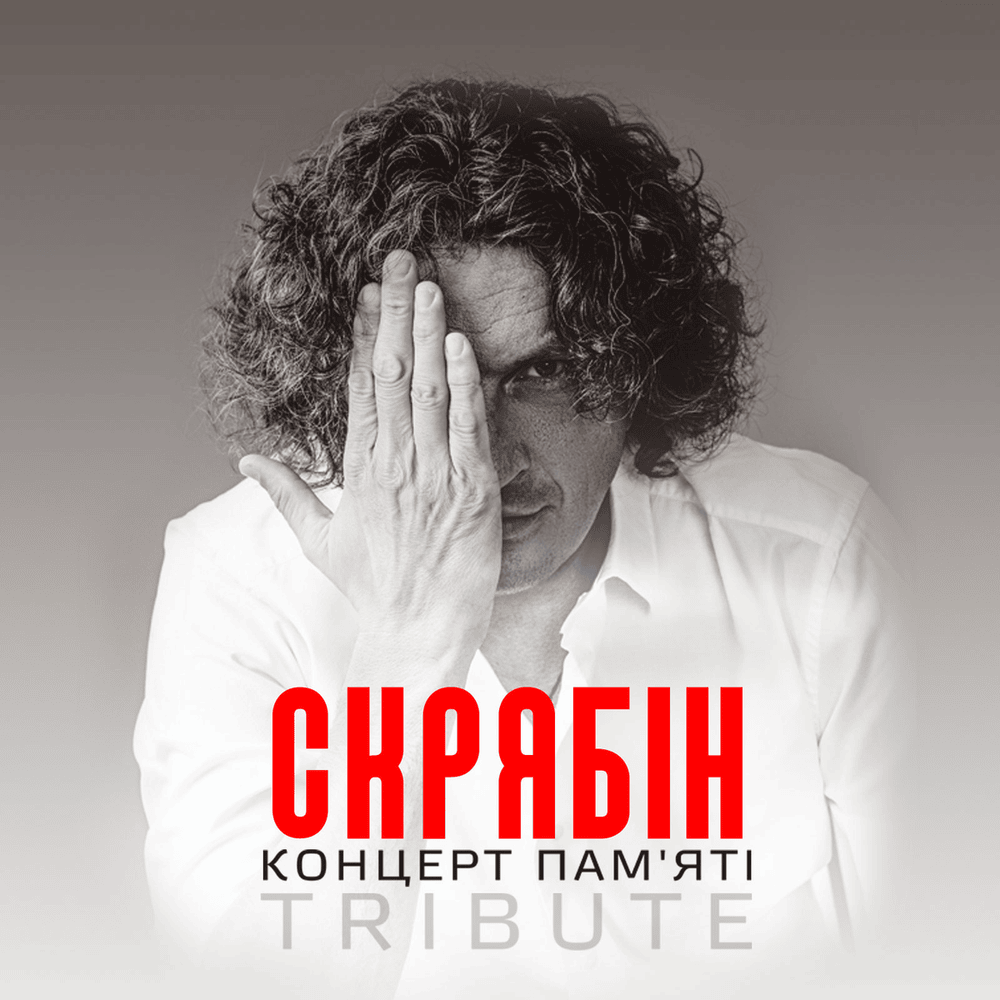
 View Artist