Song Meaning
Antti Tuisku's "Tavallaan" isn't a simple kiss-off; it's a post-mortem on intimacy, dissecting the paradoxical relief found in emotional distance. The opening lines set the stage: a guarded posture, a conscious decision to avoid genuine connection to protect oneself from vulnerability. "Parempi, jos ei kosketa / Koskaan ketään kunnolla" – it's a chillingly pragmatic admission of self-preservation. The lyrics paint a picture of a world where others are perceived as vultures, circling, waiting for a moment of weakness to exploit. This creates a defensive mechanism, a self-imposed isolation. The repeated warning, "Varo vaan / Hajottaa sormissaan," suggests a history of painful experiences, a learned cynicism about human relationships. The core of the song meaning lies in the Finnish word 'tavallaan', which translates to 'in a way' or 'sort of'.
The repetition of "Tavallaan kaikki on helpompaa / Kohdallaan nyt kun oot poissa" reveals a complex emotional landscape. It's not a straightforward celebration of freedom, but rather a resigned acknowledgement that life is 'sort of' easier without the other person. The phrase "Muutenkaan en oo sua tarvinnut" ('I didn't need you anyway') further complicates the narrative. It's a classic defensive statement, a way to minimize the pain of separation by denying the importance of the relationship. However, the very act of repeating this denial betrays its falsity. It suggests a deep-seated vulnerability, a fear of admitting need or dependence.
Ultimately, "Tavallaan" isn't about triumph; it's about the quiet, somewhat hollow victory of self-protection. The mirrored heart imagery ("Sydän on peililasia / Menee rikki maailmassa") is particularly striking. It speaks to the fragility of the human heart and the ease with which it can be shattered. The song's emotional core resides in the tension between the desire for connection and the fear of vulnerability, a dilemma that resonates deeply within the human psyche. The use of 'tavallaan' emphasizes the ambiguity and lack of certainty in the singer's feelings, suggesting that the 'easier' path of isolation is not necessarily the happier one.
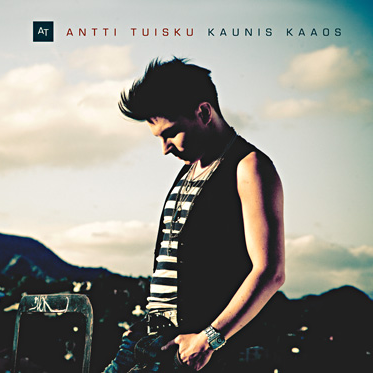
 View Artist