Song Meaning
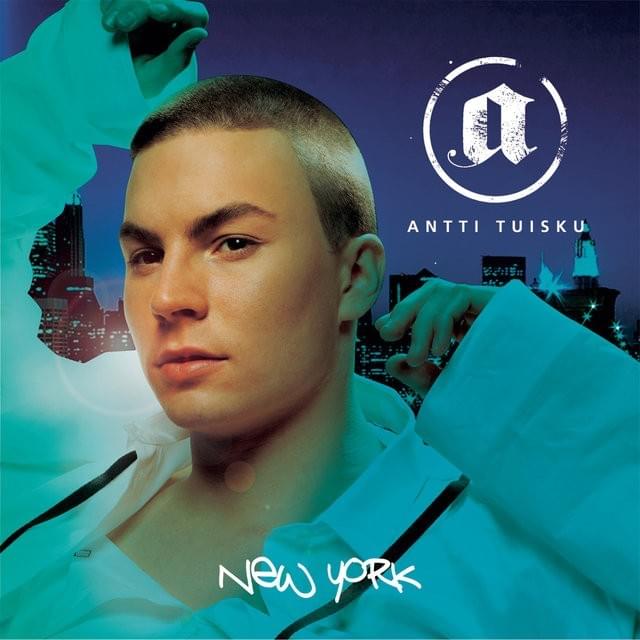
Antti Tuisku's song "Jää" ("Stay" or "Ice" in Finnish) is a raw, desperate plea for reconciliation, a sonic portrait of a relationship teetering on the brink. The repeated invocation of "Jää, yhdessä me selvitään" ("Stay, together we will survive") functions as both a mantra and a fragile promise, highlighting the speaker's dependence on the other person for their joint survival. But survival, in this context, isn't merely physical; it's the survival of their shared identity, their history, and the very foundation of their emotional well-being. The chill of "Jää" isn't just the coldness of separation; it's the potential for a frozen, unyielding future should the plea go unanswered.
The lyrics reveal a painful awareness of past mistakes. The speaker admits to worsening the other person's situation and only recognizing his errors too late. This delayed realization adds a layer of tragic irony. It suggests a pattern of behavior common in dysfunctional relationships: a blindness to the partner's pain until the threat of loss forces a moment of clarity. The line "Miksi ymmärsin omat virheeni, ehkä liian myöhään?" ("Why did I understand my own mistakes, perhaps too late?") encapsulates this regret and the fear that redemption is now impossible.
The chorus, with its repeated entreaty to "stay," underscores the speaker's vulnerability. He admits his ability to trust hinges entirely on the other person's decision. This dependence, while perhaps unhealthy, is presented as an undeniable truth. The bridge, "Kunpa vielä uskoisit / Korjaan kyllä virheeni / Jos vain vielä uskoisit / Teen sut onnelliseksi" ("If only you still believed / I will correct my mistakes / If only you still believed / I will make you happy"), offers a glimmer of hope, but it's a hope tinged with desperation. It's a promise of change, but one born from the fear of utter loss, leaving us questioning if it is genuine change or merely a survival tactic in the face of heartbreak. The song meaning centers on the universal and often agonizing struggle to salvage a relationship on the verge of collapse, interrogating themes of regret, dependency, and the fragile nature of trust.
 View Artist