Song Meaning
António Zambujo's "Zamba del Olvido" isn't a straightforward plea for erasure; it's a masterclass in the push and pull of memory, desire, and the inherent contradictions of the human heart. The zamba rhythm, traditionally a vibrant Argentine folk dance, here becomes a vehicle for a far more complex emotional landscape. The initial, repeated entreaty – "Olvídame / Esta zamba te lo pide" (Forget me / This zamba asks it of you) – is immediately undermined by the heart's subsequent, desperate plea: "Que no me olvides, que no me olvides" (That you don't forget me, that you don't forget me). This sets the stage for a song grappling with the impossible: the simultaneous yearning for release from a powerful memory and the terror of being completely lost to the other person's consciousness. It's a sonic embodiment of ambivalence.
The lyrics delve deeper into this conflict, acknowledging the seeming inevitability of fading memories while simultaneously rejecting that very notion. The image of memories falling "como un fruto por su peso" (like a fruit by its weight) suggests a natural, almost passive process of decay. Yet, this is immediately countered with the assertion that no oblivion can outweigh the power of shared intimacy: "Yo sé bien que no hay olvido / Que pueda más que tus besos" (I know well that there is no oblivion / That can outweigh your kisses). This isn't just about romantic love; it speaks to the fundamental human need to be remembered, to leave a lasting impression on the world and, more specifically, on those we've touched most deeply. Zambujo highlights the chasm between the head and the heart – the intellectual understanding of time's passage versus the emotional resistance to letting go.
Ultimately, "Zamba del Olvido" finds its power in this unresolved tension. The song doesn't offer easy answers or a comforting resolution. Instead, it mirrors the messy, often illogical ways we process loss, longing, and the bittersweet ache of memories that both haunt and sustain us. The zamba itself, usually a celebratory form, becomes tinged with melancholy, reflecting the inherent sadness in acknowledging the ephemeral nature of even the most profound connections. The repetition of the initial verses only amplify the sensation of being caught in an emotional loop, forever oscillating between the desire to forget and the primal fear of being forgotten.
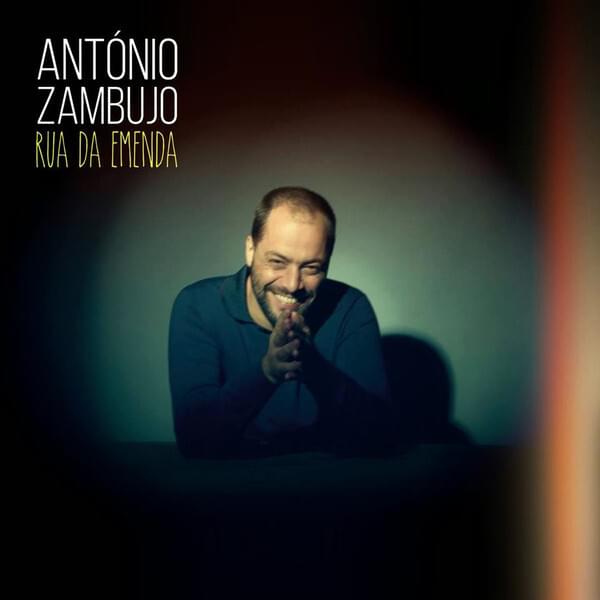
 View Artist