Song Meaning
António Zambujo's "Valsa Lisérgica" isn't so much a song as it is an incantation. The lyrics, a minimal, cyclical poem, evoke a state of heightened perception, a dance on the edge of reality. Zambujo, known for his saudade-infused vocals and sophisticated arrangements, offers here a glimpse into a mindscape painted with archetypes and fleeting sensations. The repeated verses act like a hypnotic spiral, drawing the listener into a realm where "Luzes, sonhos / Deusas, lendas" blur into a singular, overwhelming experience. It's a sonic approximation of a psychedelic experience, where the boundaries between the sacred and profane, the rational and irrational, dissolve.
The genius of "Valsa Lisérgica" lies in its simplicity. Zambujo doesn't need elaborate narratives to convey the song's meaning. The careful selection of words – "Sátiros devires," "Loucos, santos, demos" – creates a rich tapestry of imagery, hinting at a world teeming with mythical figures, ecstatic states, and primal urges. The phrase "Lembranças são dádivas" (Memories are gifts) suggests a reverence for the past, but also a recognition that memory itself is subjective, malleable, and prone to distortion. In the context of the song's title, 'lysergic waltz', these memories take on a new dimension, becoming fragments of a dream, colored by emotion and imagination.
Ultimately, "Valsa Lisérgica" is an invitation to explore the depths of consciousness. Zambujo offers a sonic space where the listener can lose themselves in a swirling vortex of light, sound, and sensation. The song's cyclical structure reinforces this sense of disorientation, mimicking the disorienting effects of altered states of awareness. The absence of a traditional narrative allows for multiple interpretations, making the song a deeply personal and subjective experience. It's a testament to Zambujo's artistry that he can evoke so much with so little, creating a powerful and evocative soundscape that lingers long after the music fades.
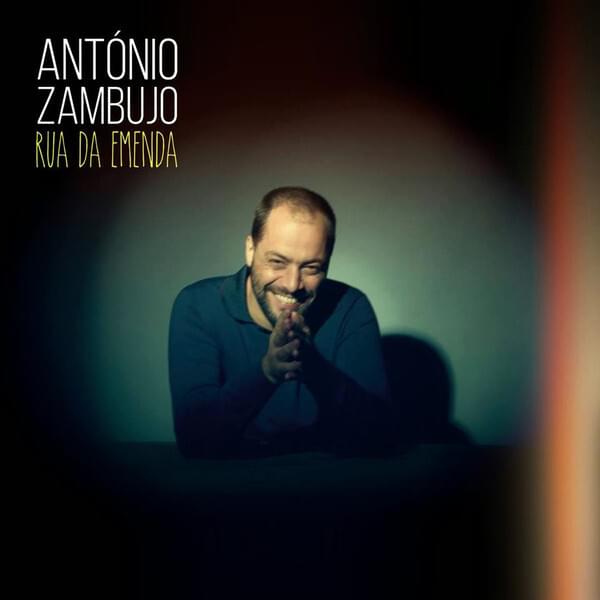
 View Artist