Song Meaning
António Zambujo's "Uma vez que seja" is a masterclass in saudade, that particularly Portuguese flavor of longing and bittersweet nostalgia. But rather than wallowing in despair, the song meaning blossoms from a place of acceptance, even anticipation, of transient beauty. The narrator addresses a free spirit, a wanderer guided by desire and the stars, someone unbound by conventional relationships. This "you" navigates life "ao sabor do vento" – at the mercy of the wind – embracing the unpredictable nature of existence. The core request, "Vem descobrir-me, uma vez que seja" (Come discover me, even if just once), isn’t a plea for commitment, but rather an invitation to a fleeting, yet profound, connection. The narrator craves a glimpse into the traveler's world, a vicarious experience of uncharted territories and shimmering horizons.
The song lyrics paint a picture of an exchange: the traveler shares tales of unseen voyages and glittering worlds, while the narrator offers a harbor, a temporary respite from the open sea. The "mares de mel no teu abraço" (seas of honey in your embrace) and "poeira de ouro velho no teu beijo" (dust of old gold in your kiss) are sensual, evocative images, hinting at the richness and depth of this brief encounter. However, there's no illusion of permanence. The narrator understands, and even welcomes, the inevitable departure. They offer no "amarras nem promessas" (moorings nor promises), desiring the other to remain unbound, free to sail away when the tide calls.
This acceptance of impermanence is what elevates "Uma vez que seja" beyond a simple love song. It's a celebration of the ephemeral, a recognition that some of the most profound experiences are those that cannot be held onto. The final verse encapsulates this sentiment perfectly. Even knowing that the magic will fade and the traveler will eventually disappear, the narrator affirms that the experience of knowing them, of being briefly illuminated by their presence, will have been worth it. The core idea revolves around cherishing the moment, finding value in fleeting connections, and accepting the inherent impermanence of life and love. It's a mature and deeply affecting perspective, delivered with Zambujo's signature understated grace.
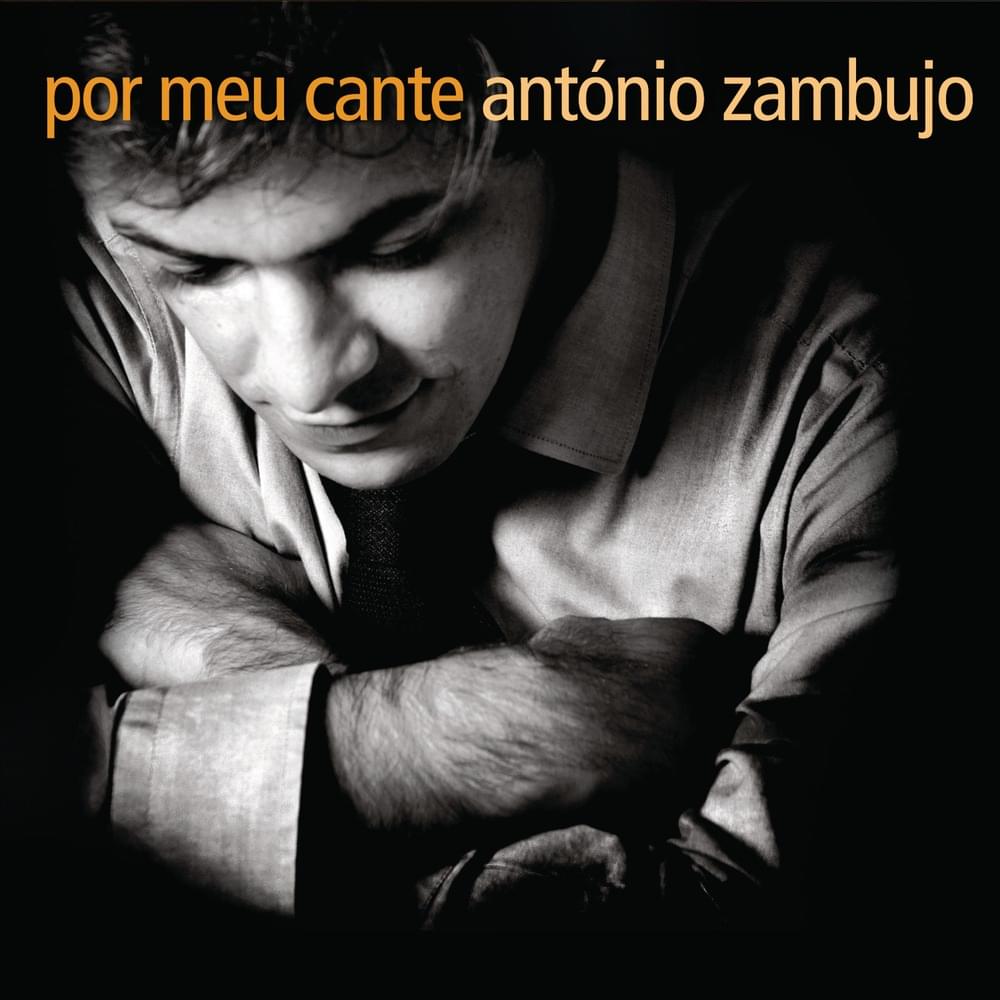
 View Artist