Song Meaning
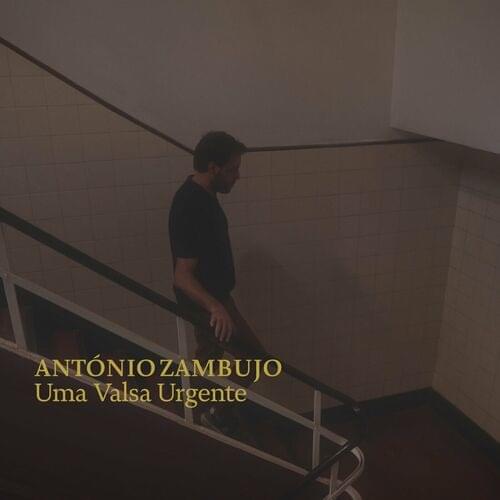
António Zambujo’s "Uma Valsa Urgente" isn't just a song; it's a fleeting snapshot of urban romance teetering on the edge of dawn. The "urgent waltz" unfolds amidst the artificial glow of city lights and the encroaching reality of morning, that "wicked witch" threatening to break the spell. Zambujo paints a picture of a love affair caught in the liminal space between night and day, fantasy and reality. The lyrics speak of ephemeral moments, "flashes, sirens, luminous signs," creating an almost dreamlike, cinematic backdrop to a connection that feels both profound and fragile.
The song's emotional core lies in its exploration of uncertainty and hesitant affection. The narrator confesses, "I almost bet that I like you," a phrase repeated with a mixture of vulnerability and playful irony. This reluctance to fully commit, despite the evident attraction, hints at a fear of vulnerability, a self-protective mechanism against the potential heartbreak lurking in the shadows of the morning. He acknowledges the potential for "great sorrow" if the night, and the moon that guides it, disappears. It's a recognition that the magic they share might not survive the harsh light of day.
Zambujo masterfully uses the cityscape as a metaphor for the complexities of modern relationships. The "Largo do Rato" (Rat Square) teeming with "civilians" and "hordes in suits" represents the mundane, the obligations and expectations that threaten to suffocate the spontaneity of the night. Despite this looming pressure, the narrator clings to the hope of connection, offering "what is to come" in exchange for a simple "contact." The song's brilliance lies in its ability to capture the bittersweet beauty of a fleeting connection, the urgency of a waltz danced on the precipice of dawn, where love is a gamble and the stakes are impossibly high.
 View Artist