Song Meaning
António Zambujo's "P'ra onde quer que me volte" ("Wherever I Turn") isn't just a song; it's a masterclass in saudade, that uniquely Portuguese flavor of longing. The track immediately establishes a central tension: the torment of an elusive 'you' who exists only as a mirage. The singer's frustration—"Por muito que me revolte" (However much I revolt)—underscores the depth of this yearning. It's a psychological portrait of obsession, where the object of affection is both intensely present and agonizingly out of reach. Zambujo uses repetition not as a crutch, but as a way to drill down into the cyclical nature of desire and the mind's tendency to fixate.
The lyrics evoke a desert landscape, a classic metaphor for emotional desolation. The singer describes being driven mad, "como um louco no deserto" (like a madman in the desert), by this apparition that appears from nowhere. This "imagem" (image) is the crux of the song's meaning. It's not a real person, but a projection, a phantom conjured by loneliness and desire. The paradoxical statement, "tão distante és tão perto" (so distant, yet so near), perfectly captures the torment of loving an illusion. It speaks to the way our minds can create intensely vivid experiences that are ultimately divorced from reality.
The final verses deepen the sense of unreality. The 'you' is seen "envolta em poeira / Ou transparente cristal" (shrouded in dust / Or transparent crystal), fluctuating between tangible and ethereal. This ambiguity heightens the singer's madness: "E a loucura é mais inteira / O sonho quase real" (And the madness is more complete / The dream almost real). The song meaning lies in the exploration of this psychological space, where the line between dream and reality blurs. Zambujo isn't just singing about lost love; he's exploring the way the human mind constructs and clings to idealized images, even when those images lead to suffering. The song's power lies in its ability to tap into this universal human experience of longing and the self-deception that often accompanies it.
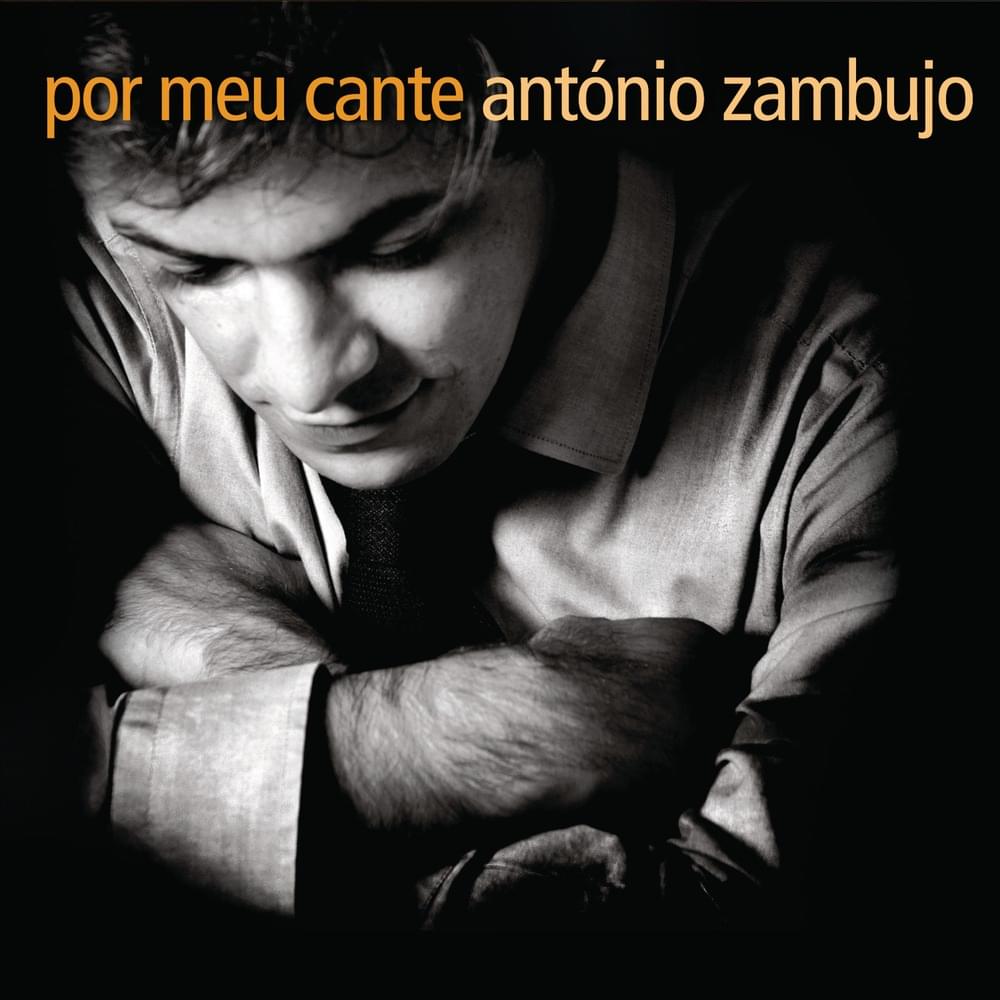
 View Artist