Song Meaning
António Zambujo's "Ó sino da minha aldeia" isn't just a song; it’s a melancholic echo chamber. The village bell, the titular 'sino,' becomes a resonant symbol of memory and the bittersweet ache of saudade—that untranslatable Portuguese feeling of longing. The repeated lines emphasize the cyclical nature of grief and remembrance, suggesting that the past is never truly gone but rather reverberates within the present. Zambujo uses the bell's sound as a psychological trigger, unlocking a flood of emotions tied to a simpler, perhaps idealized, past. The calmness of the afternoon only amplifies the bell's dolorous tone, creating a poignant contrast. It's not just sadness, but a quiet, reflective sorrow.
The lyrics analysis reveals the bell's sound is both intimate and distant. Though physically near, the bell "Soas-me na alma distante," indicating an emotional separation, a gap between the present self and the memories it evokes. This distance is crucial; it highlights the unattainable nature of the past. The bell tolls, marking time's relentless march, yet each peal only pulls the past closer. The repetition within the verses mirrors the way memories loop and replay in the mind, each iteration slightly altered by time and perspective. The first strike of the bell, we're told, already carries the weight of repetition, suggesting that even the initial experience of something contains the seed of future nostalgia.
Ultimately, the song meaning resides in the tension between distance and proximity, past and present. The bell is a constant, a fixed point in the landscape, yet its sound is a shifting emotional weather. It's a reminder that while we can never truly return to the past, its influence shapes who we are in the present. "Sinto mais longe o passado / Sinto a saudade mais perto" perfectly encapsulates this paradox. Zambujo masterfully uses simple imagery to explore complex psychological terrain, transforming a humble village bell into a profound meditation on memory, loss, and the enduring power of saudade.
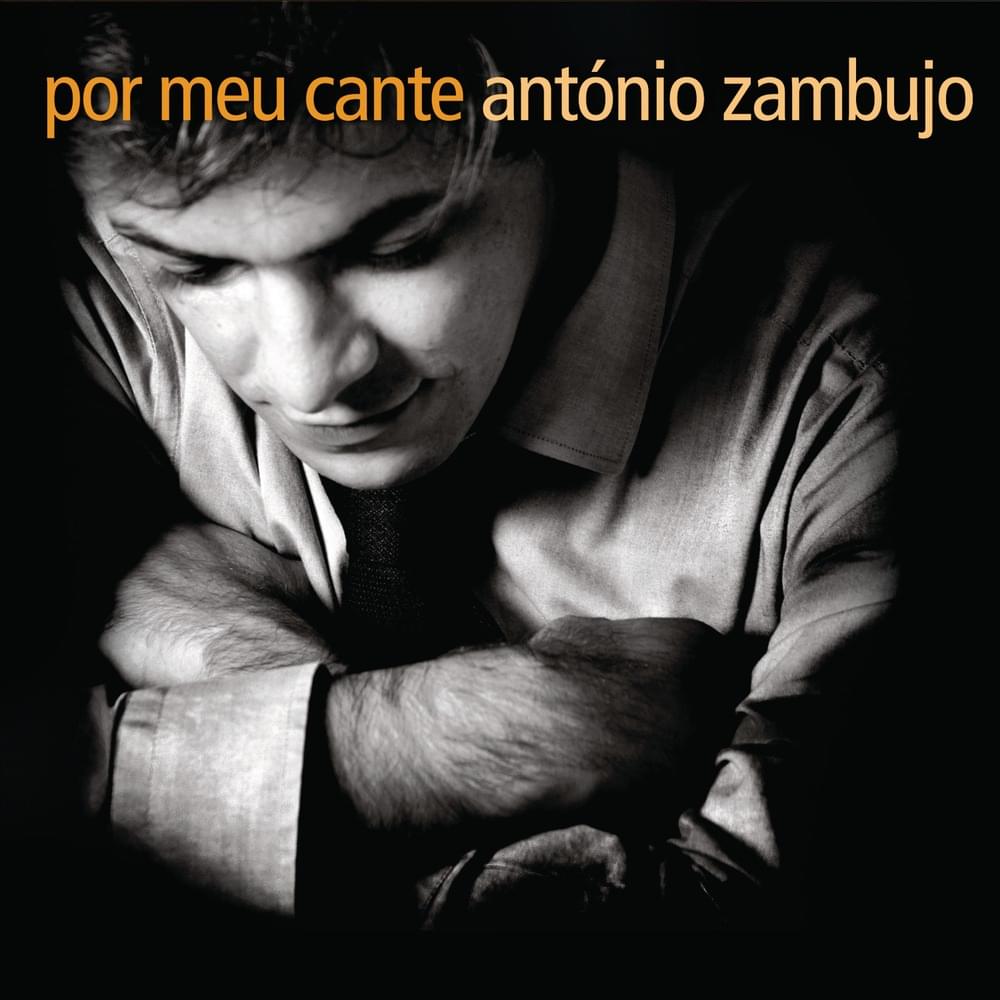
 View Artist