Song Meaning
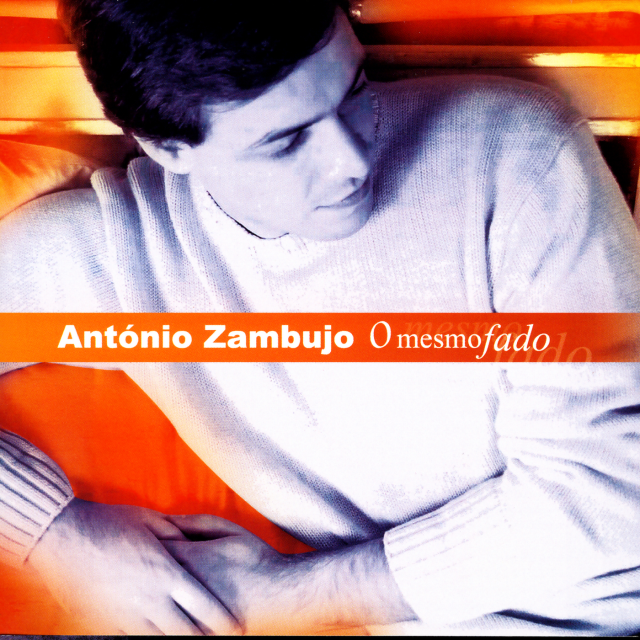
António Zambujo's "Noite Despida" isn't just a song; it's a masterclass in sonic solitude. Stripped bare, as the title suggests, the track paints a portrait of raw vulnerability against the vast, indifferent backdrop of a sleepless city. The lyrics, steeped in the melancholic tradition of Portuguese fado, explore the agonizing space between absence and anticipation. It's a sonic landscape where the silence itself becomes a tangible presence, amplifying the ache of longing. Zambujo doesn't simply sing about loneliness; he embodies it, creating an immersive emotional experience for the listener.
The "naked night" devoid of moonlight, devoid of time, becomes a metaphor for the speaker's own emotional state. He is lost, unseen, adrift in a sea of urban anonymity. The recurrence of "silence clothes the street" underscores the oppressiveness of his isolation. The saudade—that uniquely Portuguese blend of longing and nostalgia—doesn't just visit; it haunts, patrolling the empty streets of his heart. The lyrics hint at a love lost or delayed, with the question "In what place do you linger?" echoing the desperation of someone clinging to hope in the face of despair. The mention of the dawn being near only sharpens the pain; the promise of a new day feels cruelly ironic when sleep, and presumably solace, remains elusive.
Ultimately, the true song meaning of "Noite Despida" resides in its unflinching portrayal of unwavering devotion. Even as the night strips away everything, even as time itself seems to mock his vigil, the speaker vows to remain awake, waiting. This isn't just patience; it's a testament to the enduring power of love, a refusal to let go even when faced with the possibility of eternal waiting. Zambujo captures the essence of human resilience, finding beauty and profound emotion in the quiet desperation of a love that persists against all odds. He'll wait, even if it takes a lifetime. This sentiment, delivered with Zambujo's signature understated intensity, resonates long after the final note fades.
 View Artist