Song Meaning
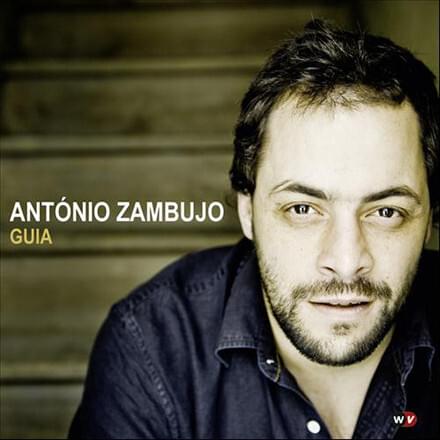
António Zambujo's "Guia" isn't simply a tale of heartbreak; it's a stark cartography of loss, charting the treacherous inner landscape one navigates when love's guiding light has vanished. The opening lines, "Atravessei o oceano / Sem o teu amor de guia," immediately establish this sense of disorienting drift. The ocean becomes a metaphor for life's journey, rendered perilous and uncertain without the compass of the beloved's affection. The singer is adrift, armed only with time and the relentless wind – symbols of a past and a future that offer no solace. This initial imagery sets the stage for a deeper exploration of emotional desolation.
The lyrics paint a vivid picture of emotional turmoil, transforming personal grief into a series of formidable obstacles. "Colinas de lágrimas, desertos de água fria, tempestades de lembranças" – these aren't just poetic flourishes, but tangible manifestations of the singer's internal state. Each challenge underscores the painful reality: "Tu já não me querias mais" (You didn't want me anymore). The repetition of this line functions as a haunting refrain, a constant reminder of the love that's been irrevocably lost. The imagery of searching for "terra firme" (solid ground) in each rising wave highlights the desperation and futility of seeking stability in the wake of rejection. The sun, normally a symbol of hope, blinds him, while the night brings only the repeated experience of losing his love.
However, "Guia" doesn't wallow solely in despair. The shift to "Já era Agosto, quando acordei na praia / E vi chegar a primavera" marks a turning point. There’s a sense of awakening, of finding oneself washed ashore after the storm. The arrival of spring, with its promise of renewal, suggests a fragile hope. He builds a "nova cama de flores" (new bed of flowers), a symbolic act of creating beauty and comfort after enduring so much pain. The act of remembering "todas as cores" (all the colors) and singing softly to them indicates a gradual reclaiming of joy and vibrancy. The final verses reveal a delicate truce with the past. He speaks of the "paixão esquecida" (forgotten passion) in hushed tones, careful not to awaken the "saudade" (longing) or "medo" (fear). The concluding assertion that "um amor de verdade, sonha pró resto da vida" (a true love, dreams for the rest of life) suggests a bittersweet acceptance: even though the love is gone, its essence continues to resonate, shaping the singer's perception of what love can be, and perhaps, what it could be again.
 View Artist