Song Meaning
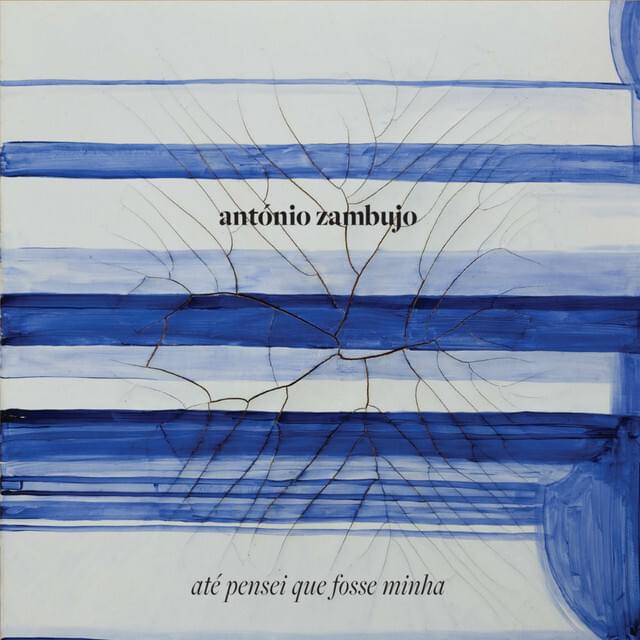
António Zambujo's "Folhetim" unfolds as a coolly detached character study, a portrait of a woman who treats romance like a disposable commodity. The lyrics, sung with Zambujo's characteristic understated grace (though clearly from a female perspective), paint a picture of calculated allure and fleeting connection. She's upfront about her transactional approach to relationships: "Se acaso me quiseres / Sou dessas mulheres / Que só dizem sim"—"If you happen to want me / I'm one of those women / Who only say yes." It's a chillingly pragmatic opening, setting the stage for a relationship built on immediate gratification rather than genuine emotional investment. The song meaning revolves around this central idea of romantic disposability. She's willing to offer affection and attention, but only on her terms and for a limited time. The "coisa à toa" (throwaway thing), the "noitada boa" (good night out), and even a "pedra falsa" (fake stone) are enough to buy her temporary compliance. But the exchange is purely superficial.
The verses build a scenario of carefully constructed illusion. She'll flatter his ego, making him believe he's the greatest and that he possesses her, all while operating in the "meia luz" (half-light) of carefully curated ambiguity. There's a palpable sense of performance, a theatrical manipulation designed to satisfy his vanity. The chorus, repeated to emphasize the cyclical nature of her behavior, delivers the crushing blow: "Mas na manhã seguinte / Não conta até vinte / Afasta-te de mim"—"But the next morning / Don't count to twenty / Get away from me." The abruptness is striking, a cold dismissal that underscores the ephemeral nature of their connection.
The final lines reveal the core of the song's meaning: "Pois já não vales nada / És página virada / Descartada do meu folhetim"—"Because you're worth nothing anymore / You're a turned page / Discarded from my serial." The title, "Folhetim," refers to a serial publication, like a newspaper novel. The men in her life are reduced to disposable chapters in her ongoing story, easily discarded once they've served their purpose. It's a harsh, almost brutal assessment, suggesting a deep-seated emotional detachment and a perhaps self-protective mechanism against genuine intimacy. Zambujo's interpretation, while not explicitly judgmental, allows the listener to contemplate the psychological underpinnings of this character, leaving us to wonder what experiences might have led her to adopt such a ruthlessly pragmatic approach to love.
 View Artist