Song Meaning
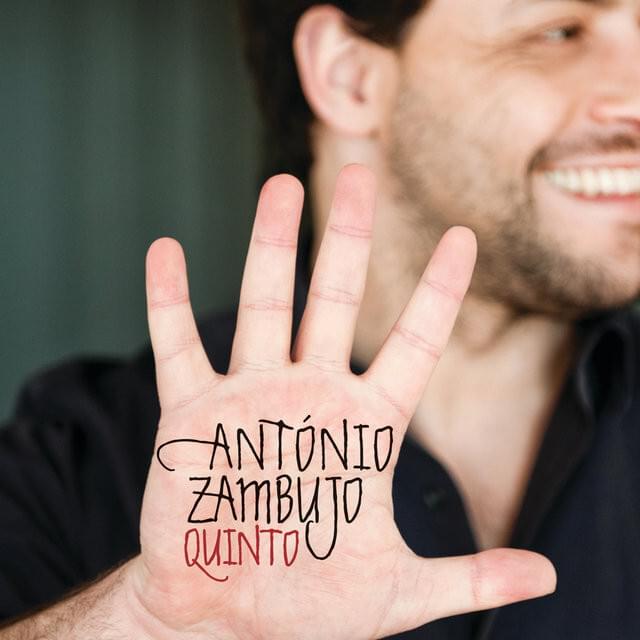
António Zambujo's "Fado Desconcertado" isn't just a song; it's a raw, intimate portrait of a relationship strained by the very art that defines the singer. The title itself, translating to "Disconcerted Fado," is the key. We're immediately plunged into a space where the familiar comforts of tradition—the fado, his artistic identity—are upended by a lover's sudden, wounded accusations. She bursts in, not during a fight, but during his practice, highlighting how his dedication to his music has become a wedge between them. Her words are sharp, accusing him of neglect and self-absorption, claiming he's more in love with the fado than with her.
The power of "Fado Desconcertado" lies in Zambujo's reaction. He's not defensive; he's "disconcerted" by her unhappiness. Even singing off-key, he begs forgiveness in a fado, not for specific transgressions, but for the intangible hurt he's caused. The song deftly captures the inherent tension between artistic passion and personal connection. The lyrics subtly suggest that his art, his very essence as a *fadista*, is perceived as a rival. It’s a poignant exploration of how creative devotion can unintentionally inflict pain on those closest to us.
Ultimately, "Fado Desconcertado" finds a fragile resolution. The final verse reveals a shift: she now seeks solace in the very thing that once alienated her. When feeling vulnerable, she asks him to sing that specific fado, the "disconcerted" one, suggesting a complex understanding has emerged. The song becomes a shared language of pain and reconciliation. It's a testament to the enduring power of music to bridge emotional divides, even when the song itself is born from discord.
 View Artist