Song Meaning
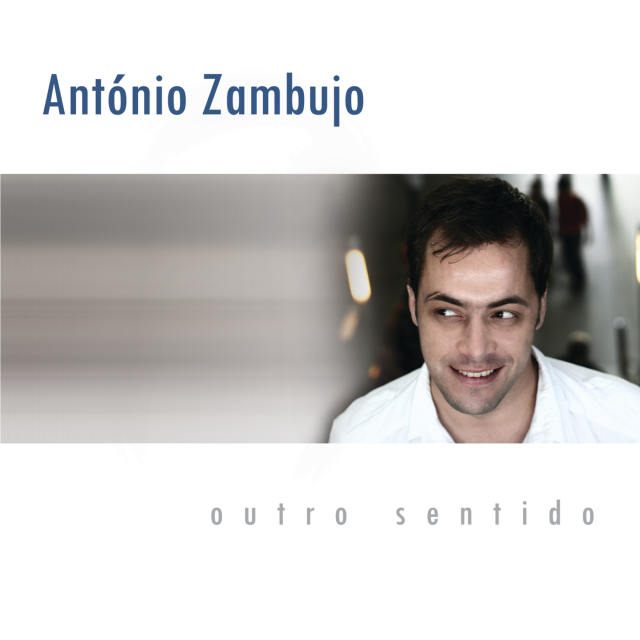
António Zambujo's "Eu já não sei" isn't just a song; it's a masterclass in emotional ambiguity, a tightrope walk above the abyss of a love both cherished and forsaken. The opening line, "Eu já não sei" ("I no longer know"), sets the stage for a raw exploration of cognitive dissonance. The singer grapples with the aftermath of ending a passionate relationship, unsure if it was the right decision. This uncertainty becomes the central theme, amplified by the melancholic beauty of Zambujo's delivery. Is it better to have loved and lost, or to continue suffering in a love that's no longer sustainable? The song cleverly suggests that even in heartbreak, there's a strange comfort in the act of singing about it, a culturally Portuguese concept akin to 'saudade'.
Beneath the surface, "Eu já não sei" delves into the paradoxical nature of memory and desire. The lyrics paint vivid images of longing: "Quando te vejo e em sonhos sigo os teus passos / Sinto o desejo de me lançar nos teus braços" ("When I see you and in dreams I follow your steps / I feel the desire to throw myself into your arms"). These lines expose the raw, almost primal urge to reconnect, juxtaposed with the singer's intellectual awareness of the relationship's end. The repetition of "Eu já não sei" after these emotionally charged verses reinforces the internal conflict. He's caught in a loop of desire and doubt, unable to reconcile his feelings. The key question – "Se te amo ou se te odeio" ("If I love you or if I hate you") – encapsulates the turmoil, suggesting that love and hate are not necessarily opposites, but rather two sides of the same intense emotional coin.
Ultimately, the song meaning of "Eu já não sei" resides in its unflinching portrayal of emotional paralysis. The inability to move on, the constant replaying of memories, the oscillation between love and hate – these are all symptoms of a deeper psychological struggle. Zambujo doesn't offer easy answers or resolutions. Instead, he presents a portrait of someone trapped in the labyrinth of their own heart, forever questioning the past and uncertain of the future. The beauty of the song lies not in its conclusion, but in its honest and vulnerable exploration of the messy, unresolved emotions that linger long after a relationship has ended.
 View Artist