Song Meaning
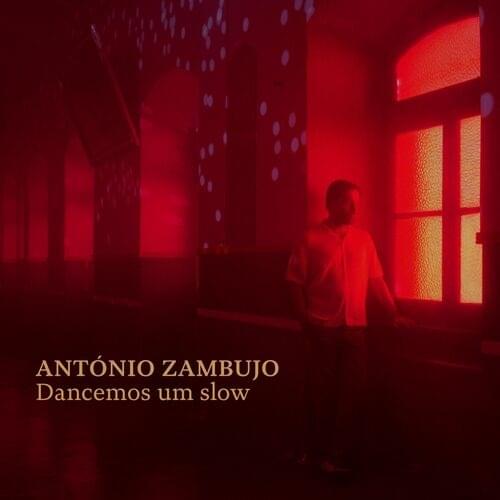
António Zambujo's "Dancemos Um Slow" isn't just a call for a slow dance; it's a melancholic meditation on aging, the relentless march of time, and the struggle to find intimacy in an increasingly chaotic world. The opening lines, referencing rising rhythms, algorithms, and gas prices, immediately ground the song in the anxieties of modern life. This isn't some idealized romantic waltz; it's a dance on the edge of an existential crisis. The refrain, "Antes que a música acabe / Dancemos um slow" (Before the music ends / Let's dance a slow dance), carries a palpable sense of urgency, a desire to seize a fleeting moment of connection before it's lost forever. It’s a plea to slow down amidst the noise.
The lyrics are laced with a quiet desperation. The lines "Se aumenta a velocidade / E a idade já não pode" (If the speed increases / And age no longer can) speak to the physical and emotional toll of keeping pace with an accelerating world. There's a vulnerability in admitting that the body can't always keep up, that the "passo já não consegue" (the step can no longer manage). The recurring phrase "Faz-me um sinal" (Give me a sign) acts as both a lifeline and a recognition of our shared disorientation. It's a coded message exchanged between two people navigating the same turbulent waters, a silent agreement to help each other stay afloat.
Ultimately, “Dancemos Um Slow” finds its poignancy in the acknowledgment that while we can't stop time or control the chaos around us, we can choose to connect, to find solace in each other's presence. The slow dance becomes a metaphor for a deeper connection, a way to find meaning and intimacy in a world that often feels overwhelming and isolating. Zambujo's song is a reminder that even as the music fades and the world speeds up, we can still find moments of grace and connection if we simply reach out and ask for a sign.
 View Artist