Song Meaning
António Zambujo's "Apelo" isn't just a song; it's a raw nerve exposed. The track unfolds as a desperate plea, a lover's anguished cry against abandonment. The lyrics, steeped in sorrow and regret, paint a portrait of a relationship teetering on the brink. It's a familiar tableau – the transgressor begging for forgiveness, attempting to leverage shared history and the promise of reconciliation to stave off the inevitable severing of ties. But Zambujo navigates this well-trodden emotional landscape with a uniquely fado-infused sensibility. The *saudade* is palpable.
The power of "Apelo" lies in its unflinching portrayal of vulnerability. The speaker isn't just asking for a second chance; he's laying bare the profound impact of his actions, acknowledging the pain he's caused. Lines like "Pois embora ainda doa / A tristeza que eu causei" aren't mere apologies; they're admissions of guilt that resonate with a deep understanding of the hurt inflicted. The repeated pleas – "não vás embora," "não te ausentes," "não destruas" – underscore the desperation of someone facing the consequences of their mistakes. He's not just losing a lover; he's losing a part of himself.
Ultimately, "Apelo" transcends the specifics of its narrative, tapping into a universal fear of loss and the yearning for redemption. The song's emotional core hinges on the psychological weight of regret and the fragile hope that forgiveness can mend even the deepest wounds. The final verse, hinting at a potential reconciliation fueled by shared sorrow ("E de novo cairias / A chorar nos braços meus"), leaves the listener suspended between hope and despair. It's a testament to Zambujo's ability to distill complex emotions into a hauntingly beautiful musical experience, a study of love, loss, and the enduring power of a heartfelt appeal.
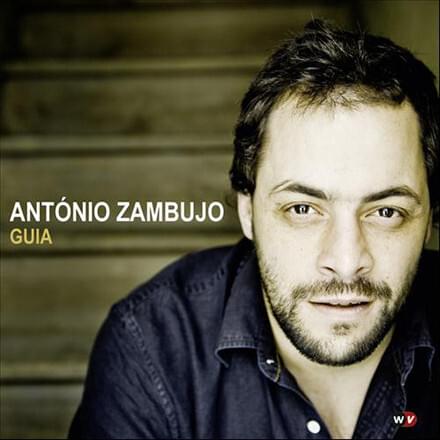
 View Artist