Song Meaning
António Zambujo's "A deusa da minha rua" isn't just a love song; it's an intimate portrait of longing, painted with the stark contrasts of social class and the quiet desperation of unrequited affection. The "goddess of my street" possesses eyes that intoxicate like moonlight, eyes from which even the sun seeks illumination. This isn't mere infatuation; it's a near-spiritual reverence for a woman who transforms the mundane into the sublime. Zambujo elevates her to an almost divine status, suggesting her presence alone is enough to redeem the drab reality of his surroundings. His street, ordinarily devoid of charm, blossoms into a landscape of celebration, a cascade of light, simply by her walking through it.
The song’s genius lies in its unflinching portrayal of the speaker's self-awareness. He sees himself reflected in a puddle – not as a romantic figure, but as a repository of sorrow, mirroring the sky fallen to the earth. This puddle becomes a symbol of his own emotional state, his eyes themselves pools of water reflecting the unattainable beauty of his beloved. It’s a potent image of despair and acceptance, the quiet acknowledgement of his own perceived inadequacy.
The stark reality of their social divide crashes into the dreamy adoration. "She is so rich and I so poor / I am a commoner and she is noble / It's not worth dreaming..." This refrain isn't just about economic disparity; it speaks to a deeper sense of unworthiness, a belief that the chasm between them is too vast to bridge. The song meaning pivots on this painful realization, transforming a tender serenade into a melancholic acceptance of his fate. He resigns himself to admiring her from afar, forever trapped in the "puddle" of his own longing, a commoner gazing at a goddess he can never truly reach.
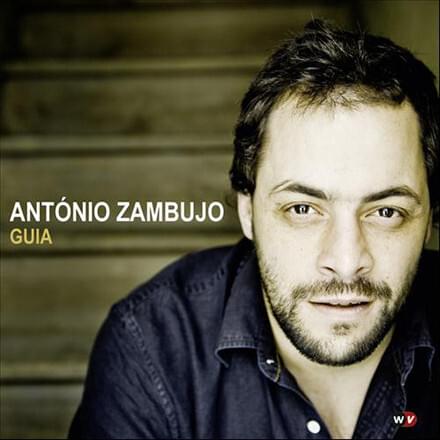
 View Artist