Song Meaning
These lyrics paint a picture of divine protection for a city, referred to as "Veneti Maris Urbem," which is decreed "inviolatam" – inviolable – by an eternal decree. The tone is one of assured salvation and righteous victory, invoking biblical narratives to underscore this certainty. The language is formal and declarative, establishing a sense of unwavering faith in a higher power's intervention.
The central tension appears to be the contrast between potential external threat and the city's guaranteed safety through divine grace. The text explicitly mentions "Holoferni impio tiranno," a wicked tyrant, suggesting a looming danger that the city, described as "Urbs Virgo" (Virgin City), will overcome. This victory is framed not by human might, but by divine favor, making the city inherently protected.
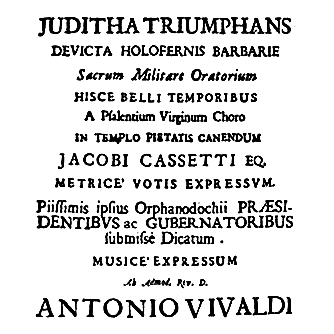
The most striking craft element is the direct invocation of biblical figures and events, particularly Judith. The city is promised to have "nova Juditha" (a new Judith) and a faithful "Ozias" who will preserve faith in "Bethuliae." This literary device elevates the city's struggle to a sacred, preordained event, drawing parallels to the story of Judith saving her people from Holofernes. The repetition of "gratia Dei" (grace of God) and the promise of "Insperata Victoria" (unexpected victory) reinforce this divinely orchestrated triumph.
What makes these lyrics resonate is their powerful assertion of security and vindication through faith. The imagery of a protected virgin city, a new Judith, and a faithful shepherd praying for his flock creates a vivid tableau of spiritual resilience. The final call to the "Virgines Sion" to celebrate with psaltery and song underscores the joyous, triumphant outcome, assuring listeners of ultimate deliverance and divine favor.
 View Artist