Song Meaning
The lyrics paint a vivid picture of a narrator overwhelmed by a constant barrage of unsolicited advice and judgment. Day after day, different voices dictate "lo que tengo que hacer" and "lo que he de deshacer," creating a relentless cycle of external pressure. This isn't just general chatter; it's deeply personal, with one voice observing, "Qué mal te veo, estás mucho peor que ayer." The sheer volume of input, from "dos o tres" to "otros dos," suggests an inescapable, draining environment.
This constant external noise clashes sharply with the narrator's internal state. They perceive these advisors as having "nada mejor que hacer" than to scrutinize their life, focusing on "lo que tengo o dejo de tener." The central tension here is the profound disconnect: others are quick to offer opinions but "niegan a escuchar y aprender," while the narrator feels their truth is being ignored. This imbalance leads to a deep weariness, a sense of being perpetually misunderstood.
A powerful craft element emerges in the repeated phrase: "La transparencia, la paciencia, el sueño y el dolor." These four abstract nouns are presented as the crucible for genuine connection, the qualities that "Hacen amigos de los que yo tengo uno o dos." This stark number underscores the rarity of true understanding amidst the clamor of superficial advice. It suggests that real friendship isn't built on telling someone what to do, but on sharing profound, often difficult, human experiences.
Ultimately, the lyrics capture the quiet defiance born of exhaustion. The narrator's decision to no longer engage – "Ya no contesto, no tengo ganas de explicar" – culminates in a profound observation: "uno se calla cuando se ignora la verdad." This isn't surrender; it's a powerful act of self-preservation, a recognition that some truths are too complex or personal to be explained to those unwilling to truly listen. The emotional impact lies in this quiet resolve, resonating with anyone who has chosen silence over futile explanation.
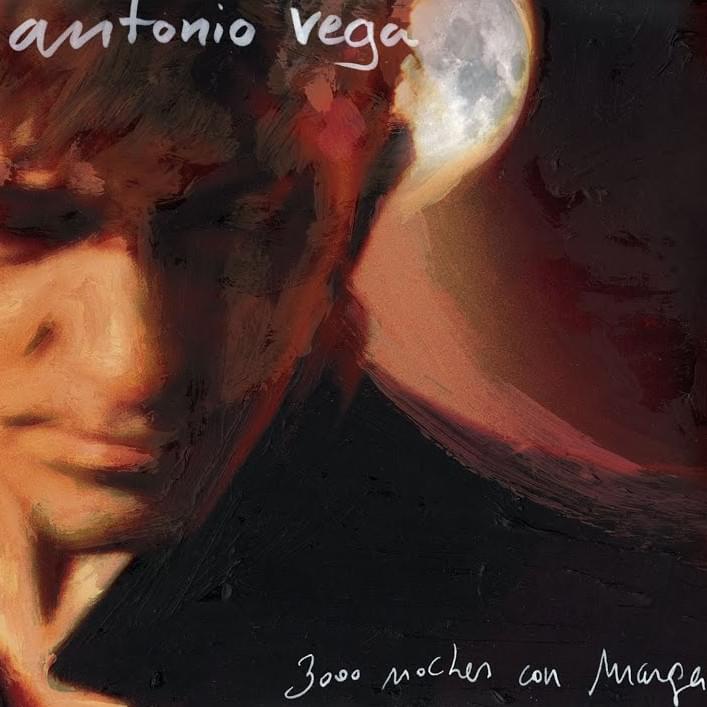
 View Artist