Song Meaning
The lyrics paint a somber, almost elegiac scene where a voice fades with the dying day, mirroring a sense of decline. The imagery of a "red sun in the distance" and the personification of the sun as something that "laughs, fattens, burns and sings" creates a powerful, albeit ominous, visual of an ending. This initial setup establishes a tone of resignation and observation as the day, and perhaps something more, draws to a close.
The central tension seems to lie in the passive reception of sorrow and decay. The narrator observes "golden leaves" that "offered their agony," detachedly falling "silently." These leaves, described as "weaving a lace blanket," are directly linked to a "tear pushed" from the observer, suggesting a profound, yet perhaps unresisted, sadness that is being imposed or absorbed. The repetition of "A tu lágrima empujada" emphasizes this forced or inevitable emotional response.
The most striking craft element is the juxtaposition of vibrant, almost aggressive, natural imagery with the quiet, melancholic decline. The sun is active and consuming, while the leaves are passive and resigned, their "agony" becoming a "lace blanket" for a "tear." This contrast between the sun's fiery vitality and the leaves' gentle, sorrowful descent highlights the complex emotional landscape, where even beauty is tinged with decay and sadness.
These lyrics resonate because they capture a specific, almost tangible feeling of melancholic observation. The writing doesn't force an explanation but rather presents a series of evocative images that allow the listener to project their own experiences of endings and sorrow onto the scene. The passive voice and the focus on external natural events reflecting internal states create a powerful, understated emotional impact.
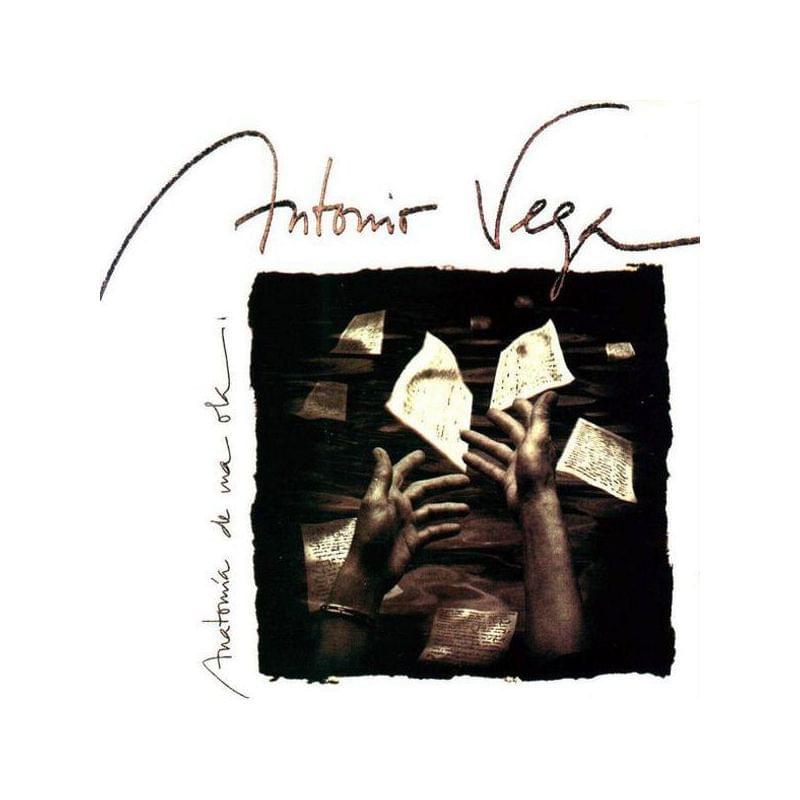
 View Artist