Song Meaning
The narrator invokes an "Océano de sol" (Ocean of Sun), a vast, luminous force that prompted them to speak out. This act of vocalizing, however, feels adrift, lacking direction or context – "Sin dónde ni con quién" (Without where or with whom). The imagery of diving into reason, becoming a "estrella de carbón" (coal star), suggests a descent into a darker, perhaps more complex, internal state after leaving a simple greeting and farewell on the shore. This sets up a tension between a powerful outward expression and an inward, possibly isolating, journey.
The lyrics grapple with a profound sense of temporal displacement and existential questioning. The desire to "tener tu edad" (have your age) and the contrast between being "cerca del hogar" (near home) and "ayer a un año luz" (yesterday a light-year away) highlight a yearning for a stable, perhaps youthful, state that feels impossibly distant. The narrator reflects on a past that was once a "planeta azul" (blue planet), ordered with "norte y sur" (north and south), but now feels subject to the caprice of "azar" (chance).
A striking aspect of the craft is the narrator's claim of immense temporal scope, recalling "Sueños de un millón de años atrás" (Dreams from a million years ago) and identifying as a "guardián del fuego original" (guardian of the original fire). This grand perspective is juxtaposed with the fundamental acknowledgment, "No me olvido de que soy animal" (I don't forget I am an animal). This grounding in primal existence, despite the cosmic scope, creates a fascinating duality – a being connected to the universe's dawn yet tethered to basic, earthly instincts.
The effectiveness of these lyrics lies in their ambitious scope and the evocative, often paradoxical, imagery used to convey a deep sense of searching. By framing the personal quest within a "Historia universal" (Universal history), the narrator imbues their individual experience with cosmic weight. The struggle with "paciencia" (patience) as a "gran rival" (great rival) in their search for "vecindad" (neighborhood or community) resonates as a relatable human challenge against a backdrop of immense time and space, making the vastness feel both awe-inspiring and isolating.
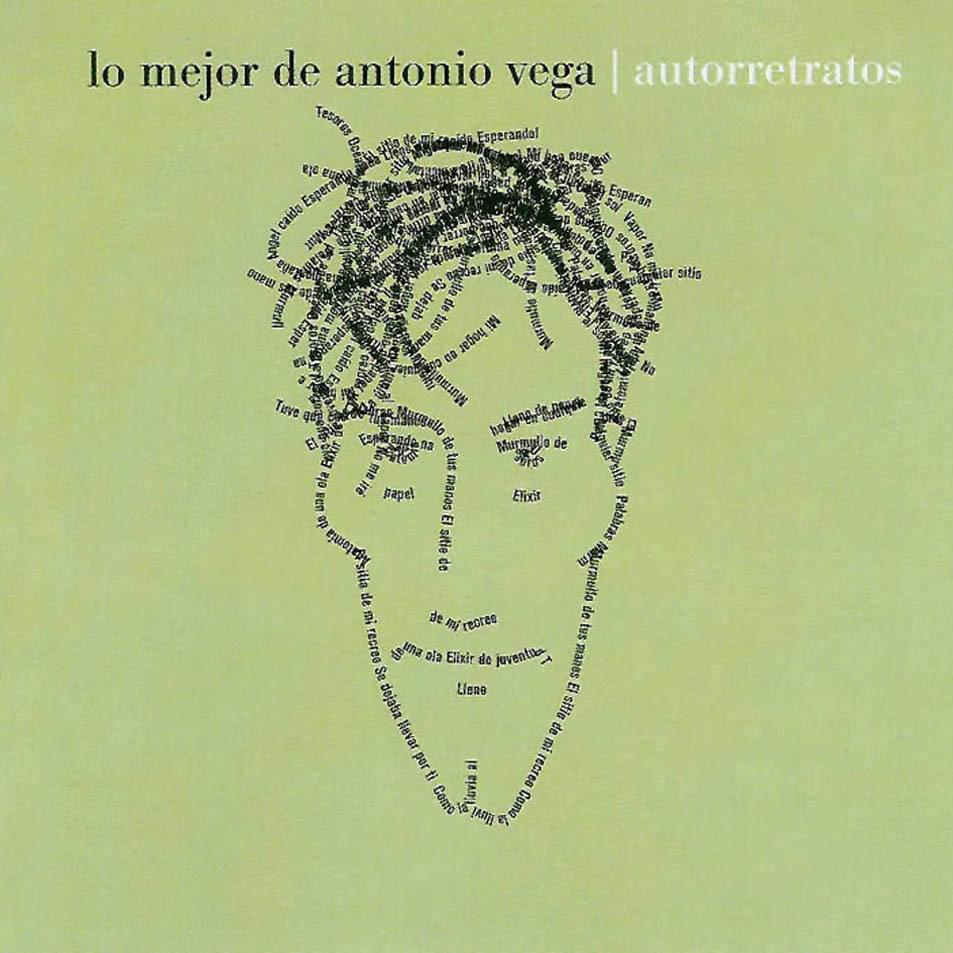
 View Artist