Song Meaning
The lyrics paint a scene of quiet, artistic introspection, bathed in the 'yellowish light' of coffee and the 'alcohol lamp's star.' This intimate space, filled with the scent of the countryside, becomes a stage for a profound internal struggle. The phrase "El cielo con las manos" (The sky with my hands) transforms from a hopeful expression into a symbol of lost potential, now hidden "behind the sunflower."
The central conflict seems to revolve around a deep-seated impotence and pain, described as "guilty and faithful to your pain." This suffering is personified by a "fallen angel" who resides within the act of painting, the very "brush" that captures light and scene. This angel is not a divine tormentor but an internal force, one that both nurtures and destroys.
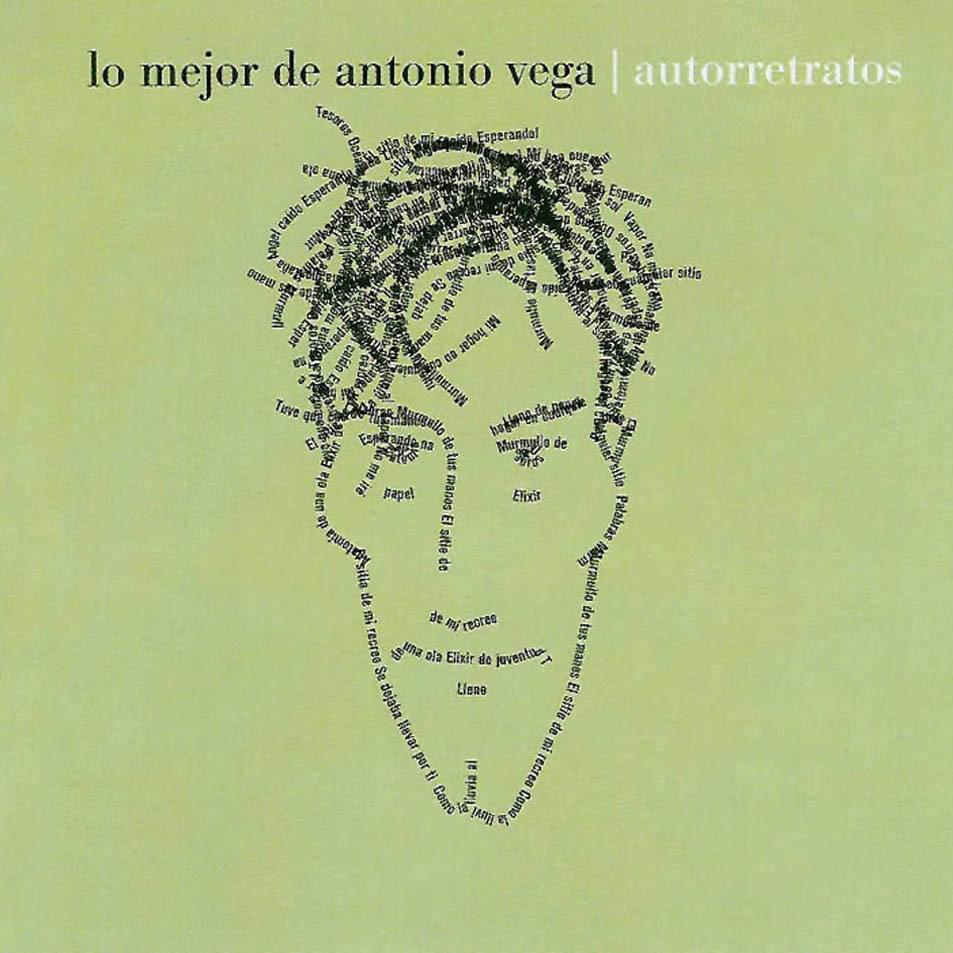
The most striking craft element is the duality of the fallen angel's actions: "Combing wheat, tearing skin." This stark contrast highlights the destructive nature of the creative or internal process. The angel "paints self-portraits / And thus can know himself," suggesting a desperate attempt at self-understanding through art, even as it inflicts damage. The narrator, a "son of color," appears to have silenced his own voice, becoming "Lord of the world in which you and I live today," implying a shared, possibly imposed, reality.
This lyrical landscape is effective because it grounds abstract emotional states in concrete, sensory details and potent, unsettling imagery. The "fallen angel" isn't an external entity but an intrinsic part of the artistic self, responsible for both creation and self-inflicted wounds. The recurring motif of the brush and the dual actions it performs powerfully convey the complex, often painful, relationship between creation, self-knowledge, and suffering.
 View Artist