Walk
Song Meaning
The lyrics present a stark, almost cinematic scene of isolation and quiet desperation. The dominant emotional tone is one of weary resignation, punctuated by a sense of being trapped. There's a palpable stillness, an absence of action or connection that hangs heavy in the air. The repeated phrase "I can't walk" immediately establishes a core limitation, a physical or emotional paralysis that defines the narrator's current state. This inability to move forward becomes the central, suffocating theme. The core tension arises from this enforced immobility contrasted with an implied desire or need to escape or change. The narrator is stuck, unable to take the simple action of walking, which suggests a deeper inability to progress in life or overcome their circumstances. The world outside seems to continue, but the narrator remains fixed, amplifying the feeling of being left behind or disconnected. This creates a powerful sense of internal conflict between the will to move and the reality of being unable to. The stark simplicity of the language is a key element of its effectiveness. There are no elaborate metaphors or complex narratives, just the blunt declaration of inability. The repetition of "I can't walk" hammers home the central theme, leaving no room for ambiguity. This directness forces the listener to confront the raw emotion of being stuck, making the feeling immediate and visceral. The absence of any explanation for this inability only intensifies the mystery and the sense of helplessness. Ultimately, the power of these lyrics lies in their unadorned portrayal of paralysis. By focusing on a single, fundamental inability, the writing creates a potent emotional resonance. It taps into a universal feeling of being stuck, of facing obstacles that seem insurmountable, and the quiet despair that accompanies such a state. The lack of resolution or explanation leaves the listener with a lingering sense of the narrator's profound isolation.
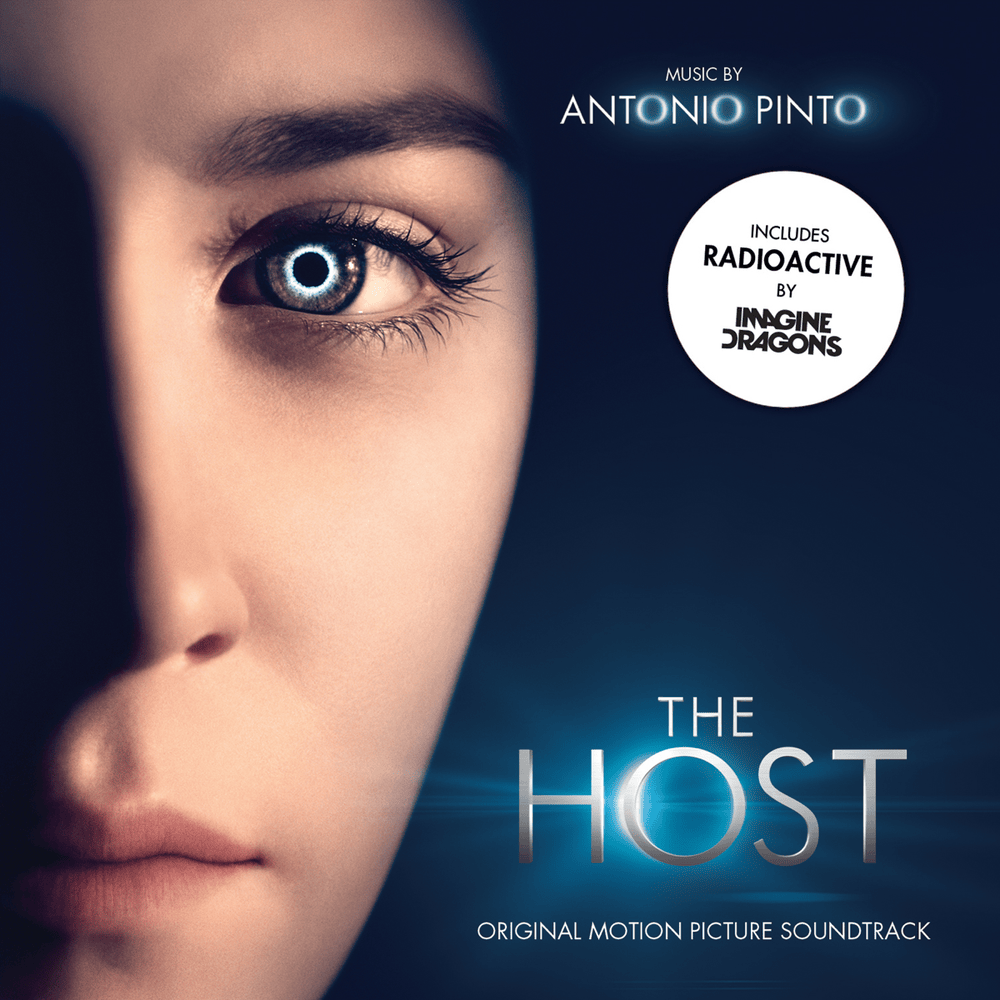
 View Artist
Lyrics
[Instrumental]
Rate this song
0/5.0 - 0 Ratings
Loading comments...
Credits
- Writers
- Antônio Pinto