Song Meaning
The narrator takes ownership of a relationship's demise, positioning himself as the sole figure responsible for its end. He repeatedly states, "Si alguien tiene que hablar aqu, que sea yo" (If someone has to speak here, let it be me), and "Si alguien tiene que decir perdn, ese soy yo" (If someone has to say sorry, it's me). This isn't about blame-shifting; it's a stark admission of his own failures, particularly his inability to recognize his partner's unspoken needs: "Que no escuch tu corazn pidiendo amor" (That I didn't hear your heart asking for love). The dominant tone is one of profound regret and self-recrimination.
The core tension lies in the contrast between the narrator's present desire to take responsibility and the irreversible loss that has already occurred. The repeated phrase "Y se nos fue y se lo llev" (And it left us and it took it away) acts as a mournful refrain, emphasizing that time, love, and even mistakes have been swept away. This sense of finality is amplified by the chilling assertion that "La distancia es el olvido" (Distance is oblivion), suggesting that physical or emotional separation inevitably leads to forgetting, erasing what once was.
The lyrics masterfully employ repetition to underscore the narrator's fixation on his own perceived faults and the finality of the separation. The recurring lines about who should speak, cry, or apologize create a sense of a broken record, trapped in a loop of regret. The imagery of the partner's lips seeking "otro amor" (another love) is a sharp, painful detail that fuels the narrator's self-blame. The later lines, "Y lo enmarc como uno ms / Usando un lienzo que rob" (And I framed it like one more / Using a canvas I stole), suggest a cold, almost artistic detachment in how he now views the lost relationship, further highlighting the distance that has grown between them.
This writing is effective because it grounds universal themes of heartbreak and regret in specific, unflinching self-analysis. The narrator doesn't shy away from his role in the breakup, making his sorrow feel earned and deeply personal. The stark equation of distance with oblivion is a powerful, melancholic image that resonates, capturing the fear that love, once lost, might simply cease to exist, even in memory.
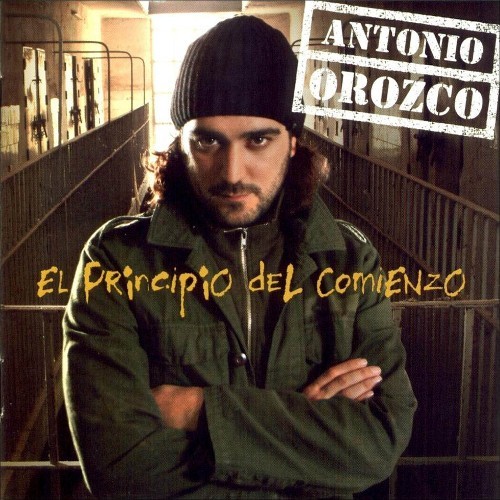
 View Artist