Song Meaning
The narrator opens with a cascade of apologies, a desperate plea for forgiveness that feels both profound and futile. They admit to ignoring pleas, causing tears, and leaving the other person alone in their nights. This isn't just regret; it's an acknowledgment of deep, ongoing harm. The repetition of "Pido perdón" (I ask for forgiveness) hammers home the weight of their actions, even as they confess to knowing these apologies won't be granted. It’s a self-aware admission of guilt, offered in the only way they know how to express it.
The central tension lies in the narrator's desperate cry to "Devuélveme la vida" (Give me back my life), juxtaposed with their own admission of wrongdoing. They've clearly damaged the relationship, yet they demand restoration. This isn't a request for reconciliation; it's a demand for the return of what they've lost, specifically the "ilusión" (illusion/hope) that the other person's heart once "arrancó" (tore out) one day. It’s a plea born from a place of profound loss, stemming directly from their own past actions.
The most striking craft element is the narrator's shift from apology to demand, framed by the recurring phrase "Devuélveme la vida." This phrase acts as a desperate anchor, a raw expression of their current state. They declare they won't love in secret again, won't turn their future into bitterness, or live among lies, suggesting a desire for a clean slate. Yet, the very act of demanding their life back, while acknowledging the other person's heart tore out their hope, reveals a complex, almost contradictory emotional state. They want to move on, but they need the other person to undo the damage first.
This lyrical construction is effective because it captures a specific, painful emotional paradox: the desire for a fresh start coupled with the inability to achieve it without the other person's intervention. The narrator is trapped, acknowledging their fault but simultaneously expecting the very person they wronged to somehow restore what's been broken. The final lines, asking the other to "Esconde en tu cajón / Los recortes de amargura de mi amor" (Hide in your drawer / The scraps of bitterness from my love), are particularly poignant, suggesting a desire to erase the painful remnants of their shared past, a task they delegate to the one who holds the pieces.
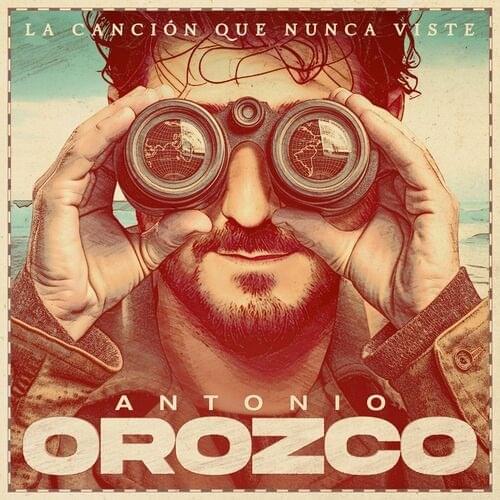
 View Artist