Song Meaning
Antônio Carlos Jobim's "Useless Landscape" isn't just a song; it's a masterclass in saudade, that particularly potent blend of longing, melancholy, and existential ache so central to the Brazilian soul. The track strips away the vibrant facade of nature, the 'moonlight glow' and 'winter snows,' revealing a stark, almost brutal emotional core: what good is beauty, what good is anything, when the object of affection is absent? Jobim isn't just lamenting lost love; he's questioning the very purpose of sensory experience when deprived of its emotional anchor. The landscape, typically a source of solace and inspiration, becomes 'useless,' a mirror reflecting the emptiness within. It’s a profound statement on how deeply intertwined our perceptions are with our emotional states.
The lyrics paint a picture of a world rendered meaningless by absence. The 'waves that will break in the cool of the evening' – a classic image of serene beauty – are rendered pointless. The repetition of 'What's the use?' acts as a mantra of despair, driving home the point that the external world is only significant insofar as it connects to internal experience. The dreams, normally a source of hope and aspiration, become burdens, leading 'to nowhere' without the beloved. This isn't simply romantic pining; it's a deeper questioning of purpose and direction.
Jobim’s genius lies in his ability to elevate personal heartbreak to a universal statement about the human condition. The song's sparse lyrics and haunting melody create a space for listeners to project their own experiences of loss and longing. "Useless Landscape" argues that our emotional connections aren't just pleasant additions to life; they are the very foundation upon which we build meaning. Without them, the world, no matter how beautiful, is just an empty stage. The instrumental break offers a moment of reflection, a space to contemplate the vastness of this emotional void, before returning to the refrain of 'nothing,' a stark and powerful conclusion to this exploration of absence.
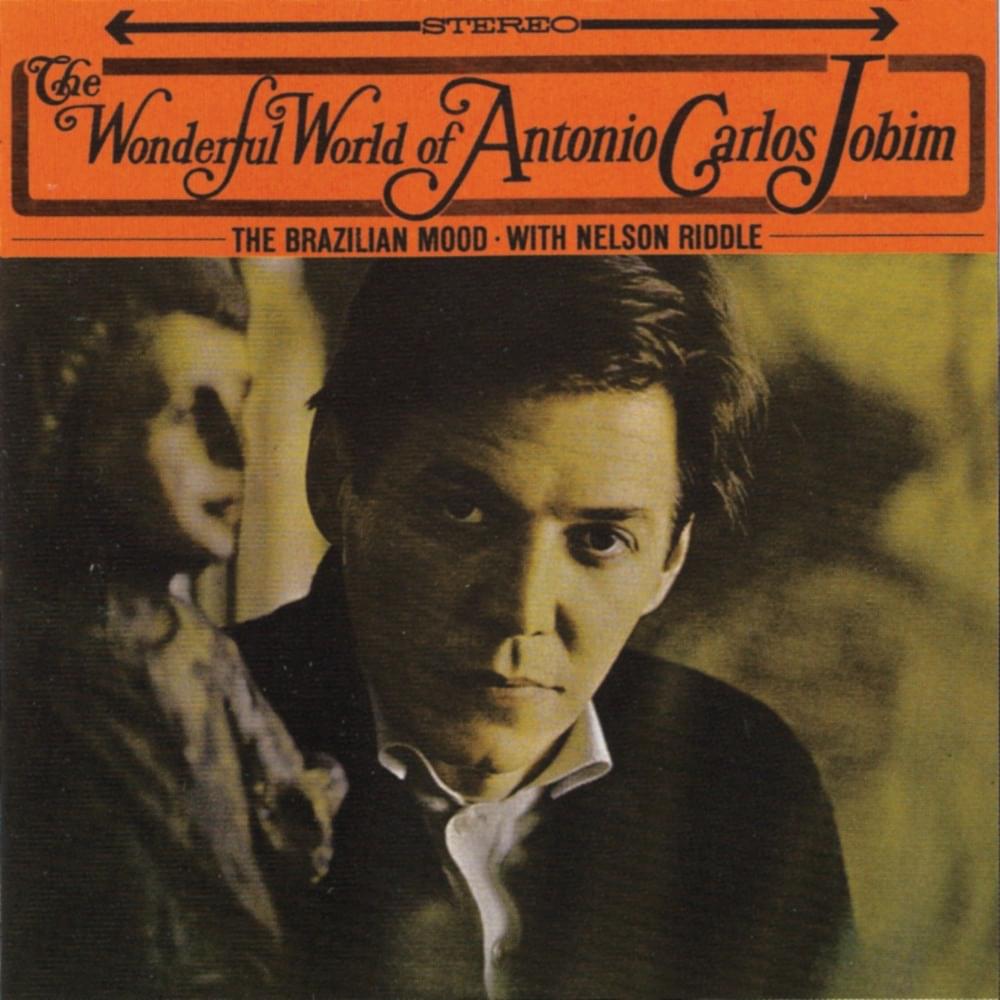
 View Artist