Song Meaning
Antônio Carlos Jobim's "Triste" isn't just sad; it's a masterclass in Brazilian melancholy, a sonic portrait of resignation painted with the soft brushstrokes of saudade. The song meaning hinges on a central, almost unbearable truth: the crushing weight of unrequited longing. Jobim doesn't just tell us he's sad; he dissects the anatomy of sadness itself. He lays bare the lonely existence, the 'cruel pain of passion,' and the brutal realization that dreams, especially those fueled by illusion, are ultimately unsustainable. The opening lines establish a foundation of profound loneliness, a state of being where even hope feels like a betrayal. It's a condition that many listeners can understand on a deeply personal level. The lyrics analysis here reveals the universal human experience of feeling isolated in one's despair.
The core of "Triste" resides in its central metaphor: the unattainable beauty compared to an airplane, soaring far beyond the reach of a humble heart. This isn't just a simple declaration of love; it's an acknowledgement of an insurmountable distance. The 'poor heart' stops simply to witness her passing, an act that only serves to inflict further pain. This imagery elevates the song beyond a mere love lament; it becomes a meditation on class, aspiration, and the inherent inequalities that govern human connection. The sadness isn't just about romantic rejection; it's about recognizing one's place in the social hierarchy and the limitations it imposes on desire.
Ultimately, "Triste" offers no easy answers or comforting platitudes. It doesn't promise that love will conquer all or that dreams will come true. Instead, it dwells in the discomfort of reality, acknowledging the enduring power of solitude and the bittersweet beauty of unfulfilled desire. The repetition of 'Triste é viver na solidão' at the beginning and end of the song reinforces the cyclical nature of this sadness, suggesting that it's not a temporary state but a fundamental aspect of the human condition. It is a song that acknowledges the inherent sadness of existence and the struggle to find meaning in a world where happiness is not always guaranteed.
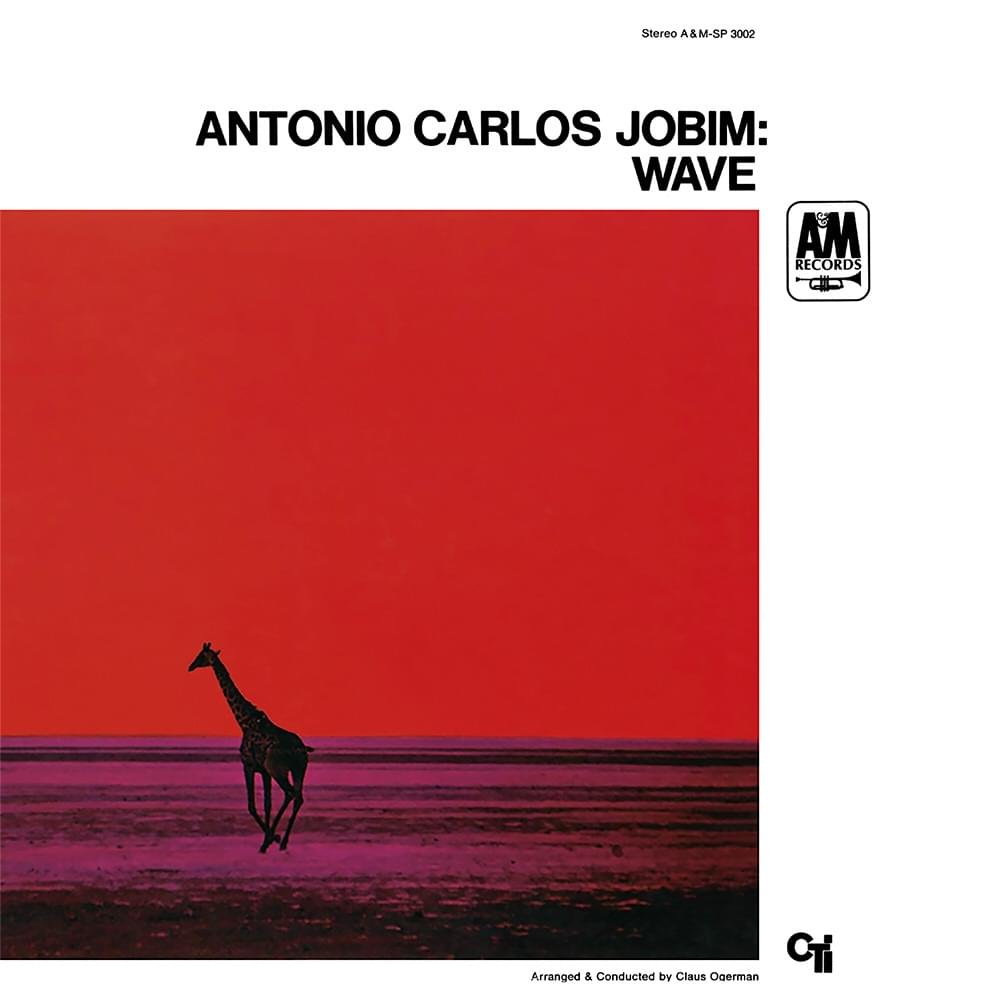
 View Artist