Song Meaning
{"song_id": 14360873, "meaning": "Antônio Carlos Jobim's \"Piano Na Mangueira\" isn't just a song; it's a carefully constructed cultural bridge. The lyrics reveal a deliberate act of sonic transplantation: moving a piano—an emblem of European art music—to Mangueira, the legendary Rio de Janeiro samba school. This isn't a casual gesture. It's a statement about cultural ownership and reinterpretation. The lyrics place Jobim, dressed in white suit and straw hat, at the \"primeira estação\" (first station), a clear reference to Mangueira's status as one of the oldest and most revered samba schools. He's not just visiting; he's presenting himself to a \"new partner,\" suggesting a collaboration between distinct musical traditions. The explicit instruction to \"Mandei subir o piano / Prá mangueira\" (Send the piano up to Mangueira) drives home the central image of high culture meeting popular expression.
The song meaning hinges on the contrast between the piano's refined connotations and the earthy, visceral energy of samba. Jobim clarifies that \"A minha música não é de / Levantar poeira\" (My music isn't for kicking up dust), distinguishing it from the more aggressive or overtly political samba styles. Yet, he welcomes it into the \"barracão\" (shack), the heart of samba preparations, where a \"cabrocha\" (a woman of mixed heritage) hangs her skirt after Carnival—a potent symbol of both sensuality and the everyday reality of Mangueira's community. This acceptance into the barracão suggests a desire for integration, not domination.
\"Piano Na Mangueira\" ultimately celebrates the potential for harmony between seemingly disparate worlds. It's a nuanced exploration of cultural exchange, acknowledging the inherent differences between bossa nova's sophisticated melodies and samba's raw, rhythmic power, but ultimately finding common ground in their shared Brazilian identity. The repeated invocation of \"Mangueira / Estação primeira / Pela vida inteira\" (Mangueira / First station / For the whole life) acts as a powerful affirmation of belonging and enduring legacy. The song suggests that cultural innovation arises not from erasing distinctions, but from embracing them in creative dialogue."}
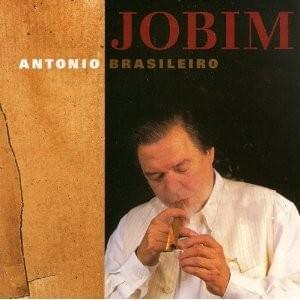
 View Artist