Song Meaning
The lyrics paint a picture of a tumultuous, almost cyclical relationship, centered on the narrator's exasperated address to 'Mulher.' The opening lines establish a pattern of intense, contradictory actions: affection ('abraça, me beija') immediately followed by conflict ('me xinga,' 'faz a briga'). This push-and-pull dynamic seems to be the core of the narrator's experience, suggesting a relationship that is both passionate and deeply frustrating.
The central tension arises from the narrator's plea for loyalty ('seja leal') contrasted with the woman's perceived volatility and performative nature ('bota muita banca'). The narrator feels unable to fully grasp or contain her actions, stating, 'Infelizmente eu não sou jornal,' implying he can't keep up with or report on her ever-changing moods and behaviors. This creates a sense of being overwhelmed and outmaneuvered within the relationship.
The craft here hinges on sharp, almost abrupt contrasts and a resigned, yet still charged, tone. The phrase 'Mulher, ai, ai, mulher' itself carries a sigh of weariness and affection simultaneously. The shift from the chaotic 'abraça, beija, xinga' to the resigned 'O nosso amor / Deu no que deu' highlights the narrator's acceptance of the inevitable outcome, even as he acknowledges the pain it causes ('martírio meu').
Ultimately, the effectiveness of these lyrics lies in their raw, unvarnished portrayal of relationship exhaustion. The narrator's final instructions – 'Desista, vá fazendo a pista / Chore um bocadinho / E se esqueça de mim' – are not a plea for reconciliation but a bitter, final dismissal. It's the sound of someone finally letting go, albeit with a lingering sense of the emotional toll the relationship has taken.
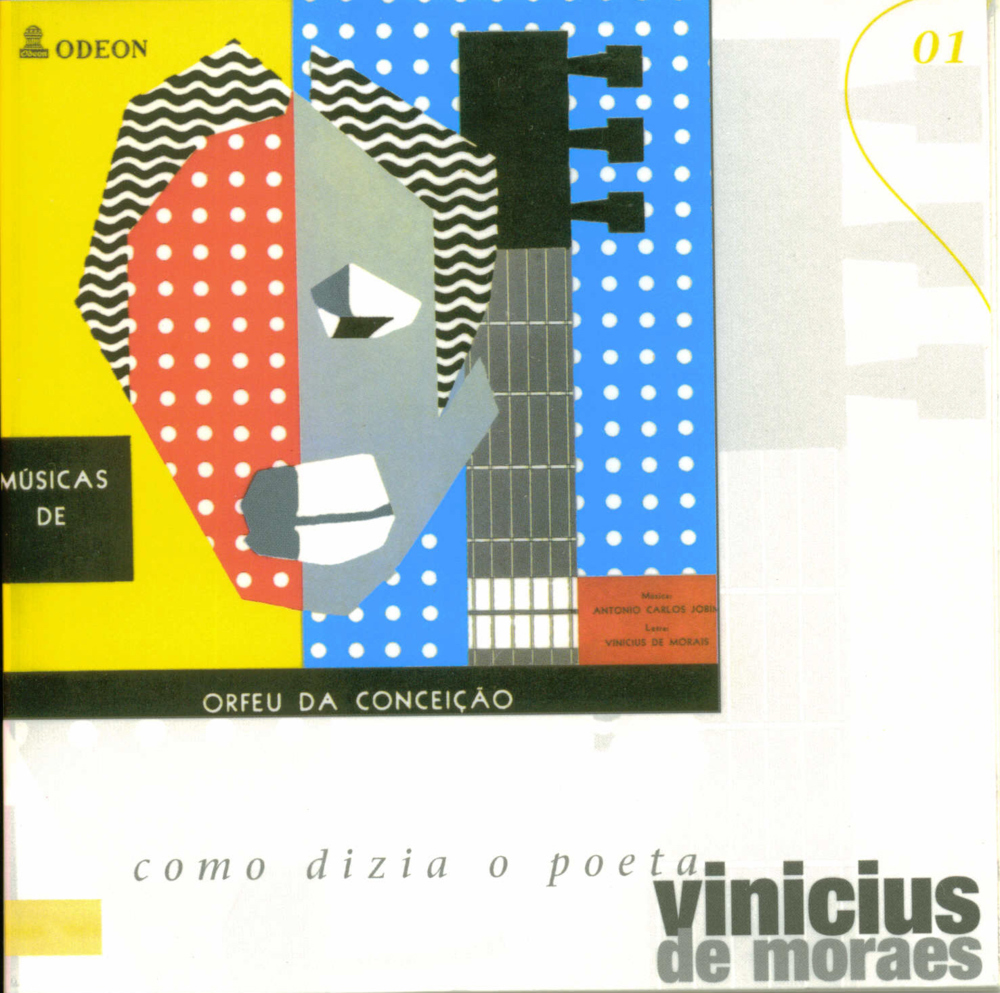
 View Artist