Song Meaning
{"song_id": 14360849, "meaning": "Antônio Carlos Jobim's \"Amor Em Paz (Once I Loved)\" isn't just a breezy bossanova tune; it's a masterclass in emotional chiaroscuro. The song meaning hinges on the delicate balance between past heartbreak and newfound serenity. Jobim paints a picture of someone who loved too deeply, exceeding the boundaries of self-preservation. The \"ai de mim\"—\"woe is me\"—isn't mere melodrama; it's the raw acknowledgment of vulnerability exposed, the pre-emptive grief of knowing love's potential for destruction. This isn't some casual fling gone sour; it's an existential reckoning. It's the understanding that love, in its purest form, carries the seed of its own demise. The initial verses drip with this melancholic premonition, a sense of impending doom coloring every note.
Then, the light shifts. \"Foi então / Que da minha infinita tristeza aconteceu você\"—\"It was then, from my infinite sadness, that you happened.\" This isn't just about finding a new lover; it's about the transformative power of connection to pull one back from the brink. Jobim suggests that love, paradoxically, can be both the cause of profound suffering and the antidote to it. The lyrics speak of finding \"a razão de viver e de amar em paz\"—\"the reason to live and to love in peace.\" But this peace isn't a naive, saccharine contentment. It’s a hard-won tranquility born from the ashes of prior emotional devastation.
The repetition of \"O amor é a coisa mais triste quando se desfaz\"—\"Love is the saddest thing when it falls apart\"—at the song's close isn't a return to despair. Instead, it’s a grounding truth, a reminder of the inherent fragility of love that paradoxically strengthens the commitment to cherish it. Jobim doesn't offer a fairytale ending, but a mature understanding: love is precious precisely because it's not guaranteed. It's a poignant meditation on the cyclical nature of love, loss, and the enduring human capacity for renewal, all wrapped in a deceptively simple melody."}
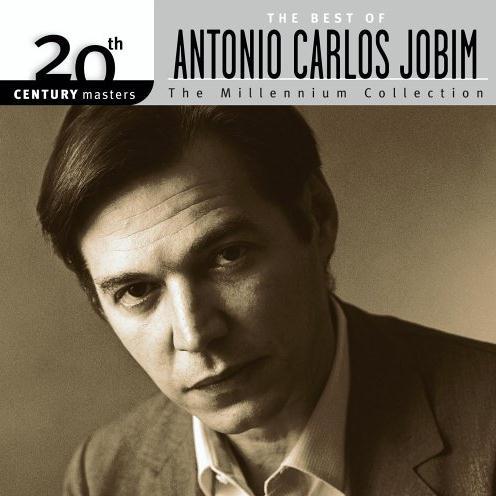
 View Artist