Song Meaning
The narrator witnesses someone dancing and is immediately struck by a surge of confidence, repeating "Yo lo sé hacer" – "I know how to do it." This isn't just about dancing; it's a declaration of innate capability, a sudden self-assurance that fuels his actions. The scene is set with a simple observation, but the internal response is immediate and emphatic.
The core tension emerges from a desperate, almost mischievous act of improvisation. When the object of his admiration misses class, the narrator steals her shoes, driven by a need to participate or perhaps impress. The makeshift solution of stuffing shoes with cotton reveals a blend of resourcefulness and underlying insecurity, a frantic effort to bridge the gap between his desire and his current limitations. He runs a lot, suggesting a strenuous, perhaps clumsy, attempt to keep up.
The most striking element is the narrator's transformation after this act. He arrives at class, seemingly successful, and claims a permanent place, all for "Rosalie." The description of her as "hecha un tonel" (roughly, "built like a barrel") is a jarring, almost comical detail that contrasts with the romantic pursuit. It highlights the narrator's possibly skewed perception or his own unrefined perspective, even as he proudly declares, "Soy bailarín" – "I am a dancer."
This narrative works because it captures a raw, impulsive surge of self-belief, however flawed or based on questionable actions. The repeated phrase acts as an incantation, a mantra of capability that propels the narrator through his scheme. The effectiveness lies in this unvarnished portrayal of ambition and the slightly absurd, yet determined, steps taken to achieve it, culminating in a declaration of identity that feels both earned and perhaps a little premature.
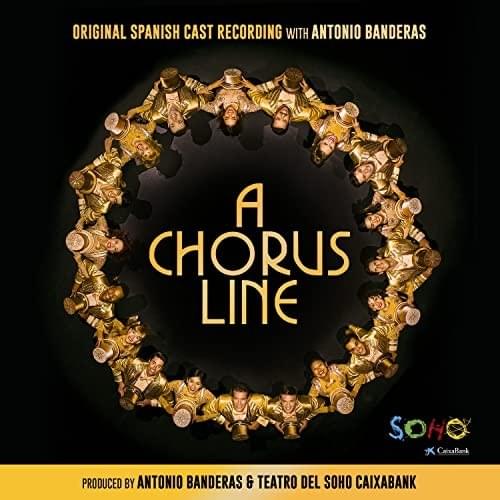
 View Artist