Song Meaning
The lyrics open with a series of desperate pleas, a cascade of "Ehi, puoi...?" questions that feel like a lifeline being thrown into an abyss. The speaker is reaching out, seeking any form of connection – to be called, heard, remembered, or even desired. This immediate vulnerability sets a tone of profound isolation, as if the speaker is shouting into a void, hoping for a response that might not come.
The central tension lies in the stark declaration, "Qui non ci sono anime / Come te e come me." This isn't just about being alone; it's about a fundamental lack of shared existence or aspiration. The speaker and the addressee are presented as unique, perhaps even solitary, souls who once shared a dream of a future life, "una vita che ancora non c'è." This shared dream, now seemingly unattainable or lost, fuels the feeling of emptiness and disconnection.
The repeated phrase "una vita che ancora non c'è" is the emotional anchor, highlighting a persistent, unfulfilled longing. The shift from "sognavano" (dreamed) to "sognano" (dream) in the later verses suggests a lingering hope or a continuous, perhaps futile, search. The lyrics also introduce a fascinating duality in the requests: "maledirmi / O perdonarmi?" This suggests that even negative attention is preferable to complete absence, and that the speaker is grappling with some form of guilt or regret tied to this lost future.
Ultimately, the effectiveness of these lyrics stems from their raw, almost primal expression of existential loneliness and unfulfilled potential. The simple, direct questions and the recurring motif of a non-existent future life create a powerful sense of yearning. The speaker appears trapped in a state of perpetual seeking, where even the concept of freedom is tied to an elusive "attimo fuggente e libertà," a fleeting moment that may never arrive.
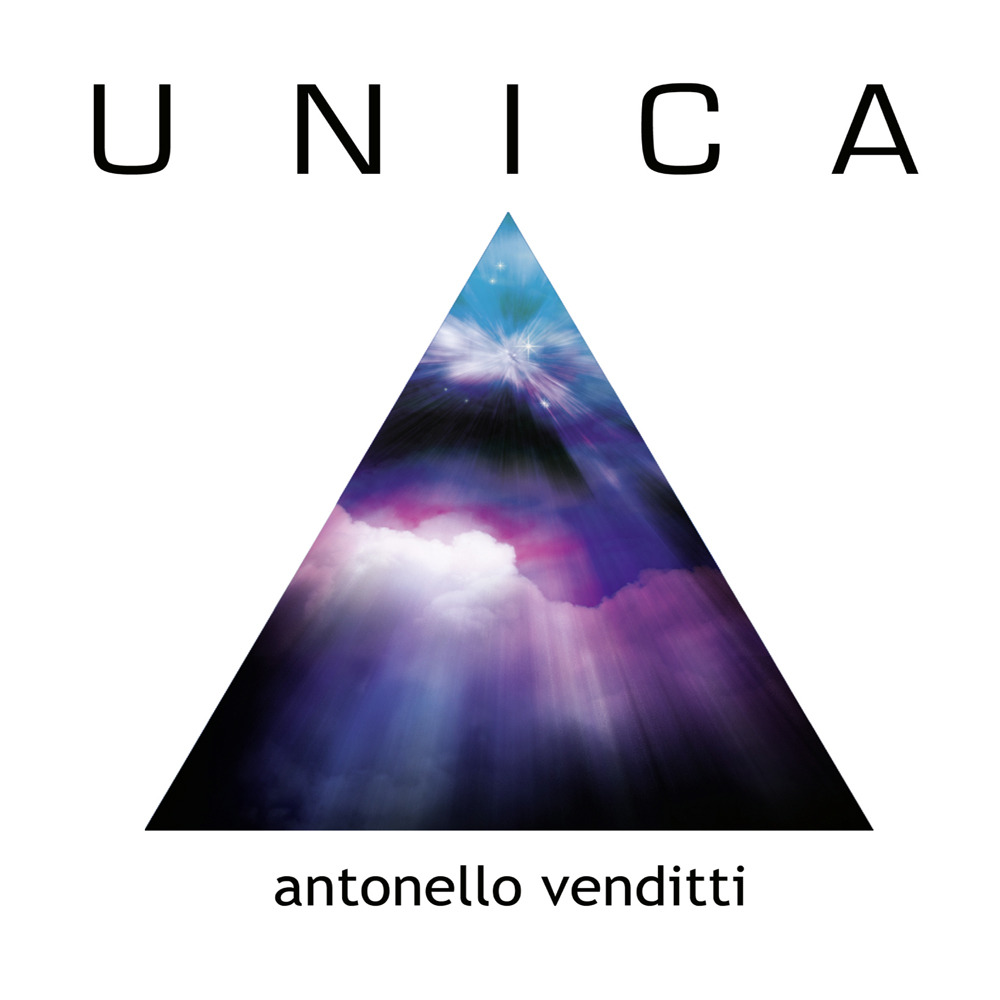
 View Artist